
Laser Knowledge Center

Complete Steps for Adjusting the Optical Path of a Laser Marking Machine
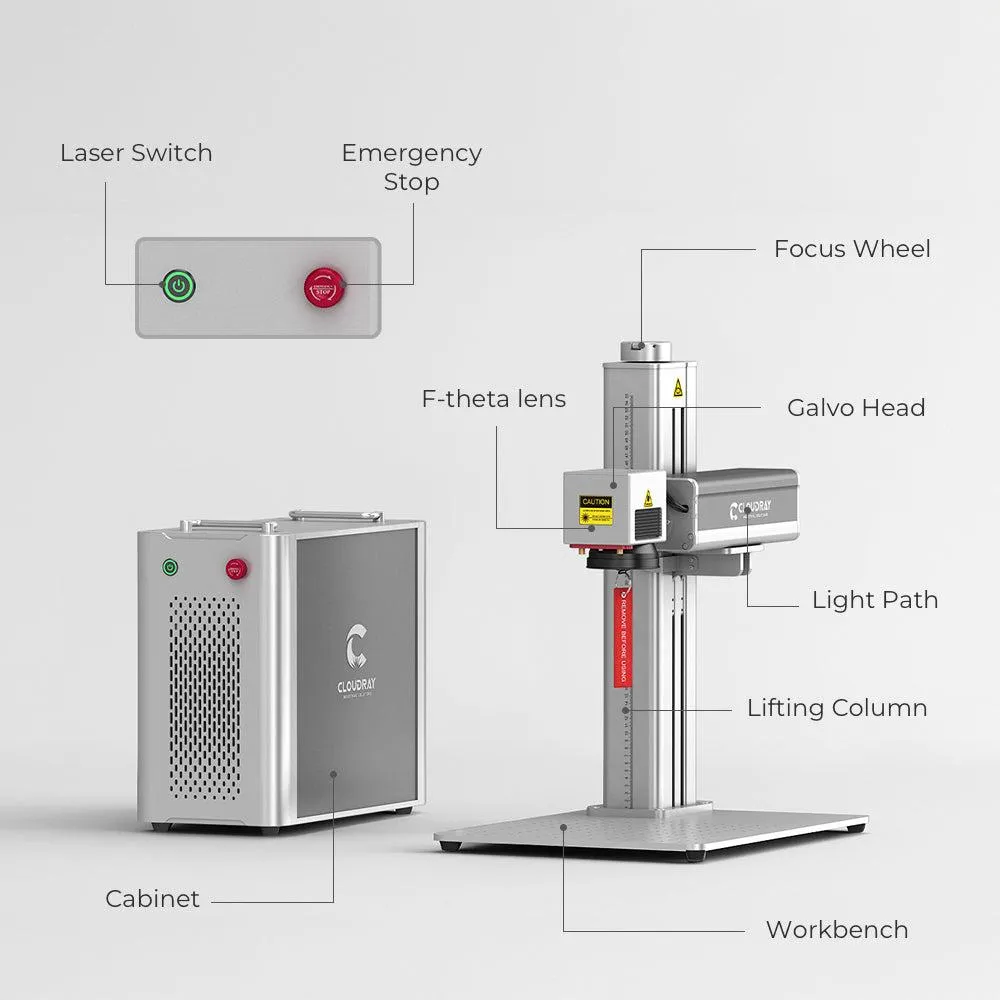
Many customers new to laser marking machines get nervous as soon as they hear the term “optical path adjustment”: Does this mean I have to disassemble the galvanometer? Do I need to adjust the lenses? In fact, for the mainstream fiber, MOPA, and UV laser marking machines on the market, more than 90% of the “optical path misalignment” issues encountered in daily use stem from a single cause—the workpiece is not at the focal point. Situations where you actually need to open the marking head and adjust the internal mirrors of the galvanometer are rare, and we recommend doing so…

Laser Marking Tool Steel with Permanent Serial Numbers: 8 Material Limits and Sample Checks
Author: LEO, Sales Engineer at JQ LaserTechnical Review: JQ Laser Manufacturing & Quality Control TeamCompany: Jining Junqi Intelligent Technology Co., Ltd.Last Updated: November 2026Category: Laser Marking Applications / Metal Marking Technology Introduction: Can You Permanently Laser Mark Serial Numbers on Tool Steel? Yes. A 1064 nm fiber laser marking machine can mark permanent serial numbers on many tool steels, including hardened D2, H13, SKD11, and M2 components. However, the result depends on more than laser power. Steel grade, heat treatment, surface finish, hardness, coatings, and the required marking depth all affect the process. A shallow black mark may be suitable…

Can a Fiber Laser Marking Machine Supplier Meet Your Production, Traceability, and Export Requirements?
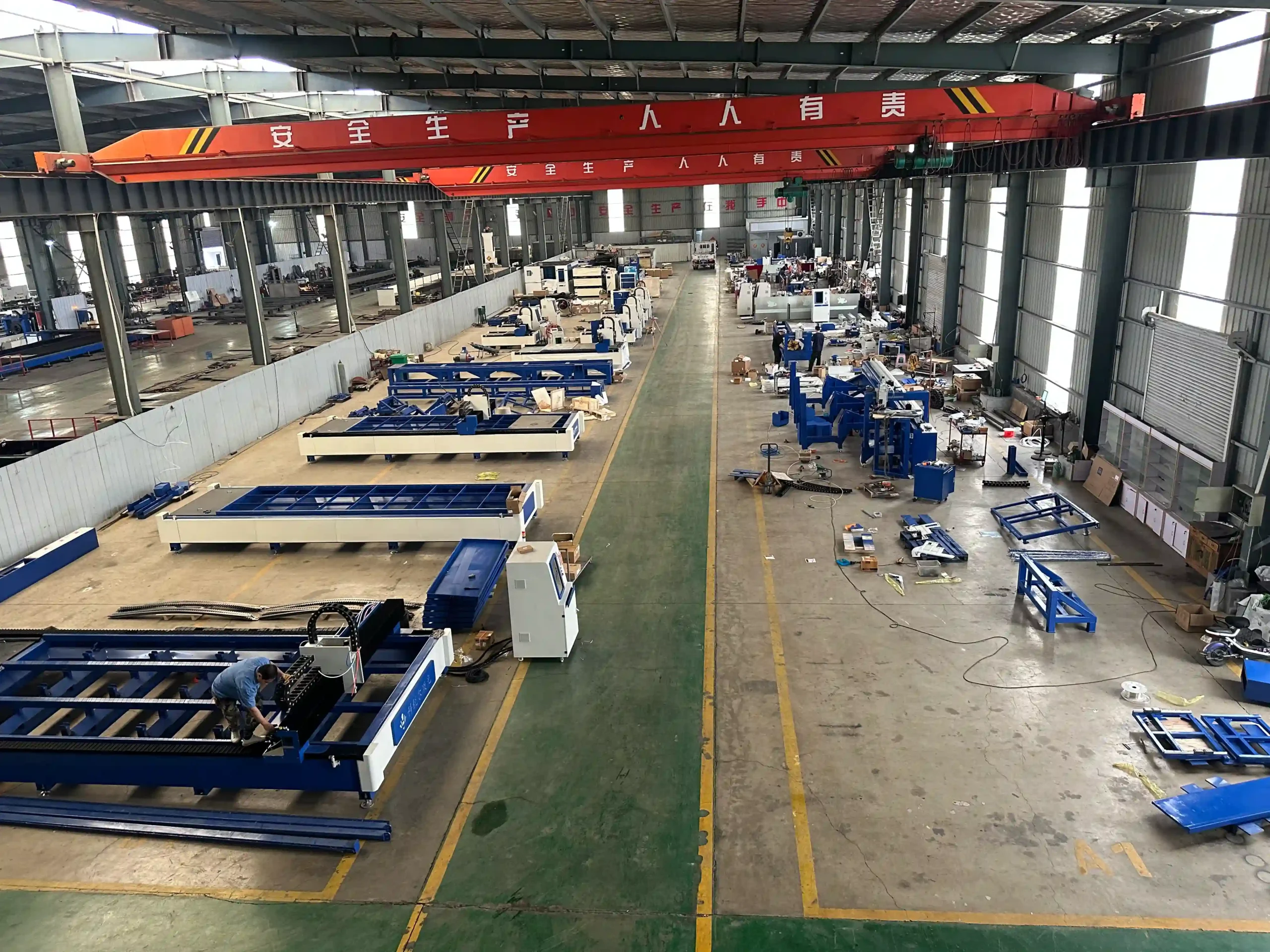
Introduction: The Answer Is More Than a Machine Specification Yes, a fiber laser marking machine supplier can meet your production, traceability, and export requirements—but only if its equipment configuration, manufacturing process, quality inspection, customization capability, and export support match your actual application. A supplier should be able to demonstrate marking results on your workpieces, explain the laser source and optical components, verify production cycle time, provide inspection records, and confirm spare parts and shipping arrangements. At JQ Laser, we approach each project by understanding the material, marking content, daily output, and destination market before recommending a machine. A suitable supplier…

Laser Engraving Silver Jewelry Production: 8 Process Variables to Test
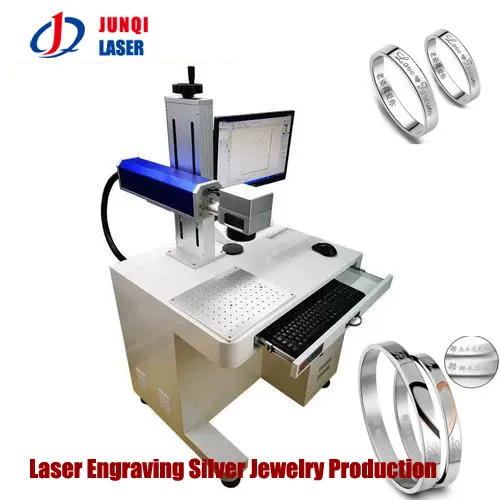
Bottom line: If you are engraving 925 sterling silver jewelry, do not start by copying a laser parameter table from another machine. Silver is highly reflective and conducts heat very well. A setting that gives a clean mark on stainless steel may produce a weak, uneven or overheated result on a polished silver ring. For consistent silver jewelry production, test the actual alloy, surface finish, laser pulse settings, scan speed, focus, hatch spacing, pass count and workholding method. The right process depends on whether you want a fine logo, a readable serial number, a shallow engraved pattern, a dark-looking mark…

Barcode Marking Solution: 7 Traceability Requirements to Plan
INDUSTRIAL BARCODE & PRODUCT TRACEABILITY SOLUTION Barcode Marking Solution: 7 Traceability Requirements to Plan A barcode marking system is not successful just because a laser can create a QR code or Data Matrix symbol. The code must contain the right information, remain readable on the actual product, survive the required production environment and connect correctly with your traceability system. JQ Laser helps manufacturers evaluate permanent laser marking for metal parts, industrial components and production-line identification. The right solution starts with your traceability requirements, not simply the laser wattage. Quick Answer: What Should You Plan Before Buying? Before purchasing a barcode…

Split-Type Fiber Laser Markers for Metal Fabrication Shops
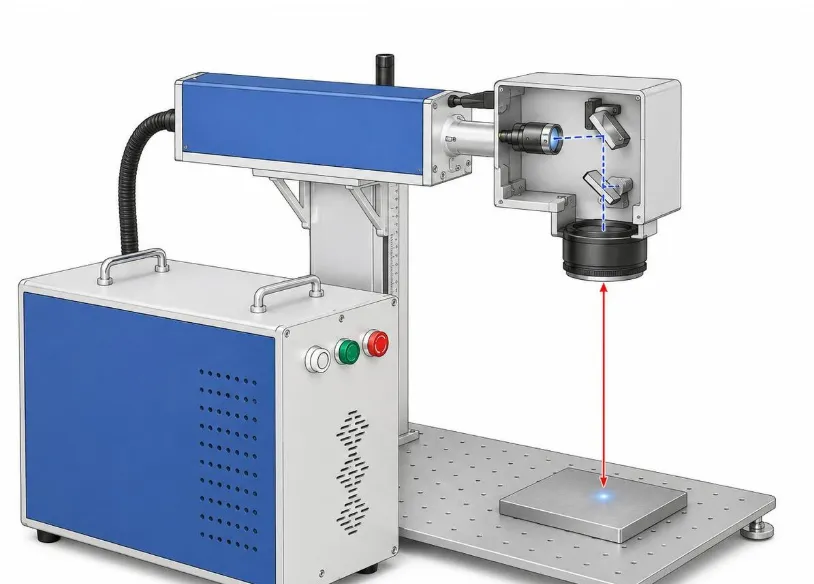
Bottom line: A split-type fiber laser marking machine is worth considering when your shop needs to mark metal parts in different shapes, move the marking head closer to an awkward workpiece, or keep the main laser unit away from a crowded work area. It is commonly used for serial numbers, part IDs, logos, QR codes, Data Matrix codes and other permanent identification on suitable metals. But don’t buy one just because the head looks easy to move. The marking field, focusing distance, cable routing, fixture, safety arrangement and actual cycle time still determine whether the machine fits your production process.…

Laser Marking VIN Numbers on Automotive Chassis: 7 Traceability Requirements to Plan
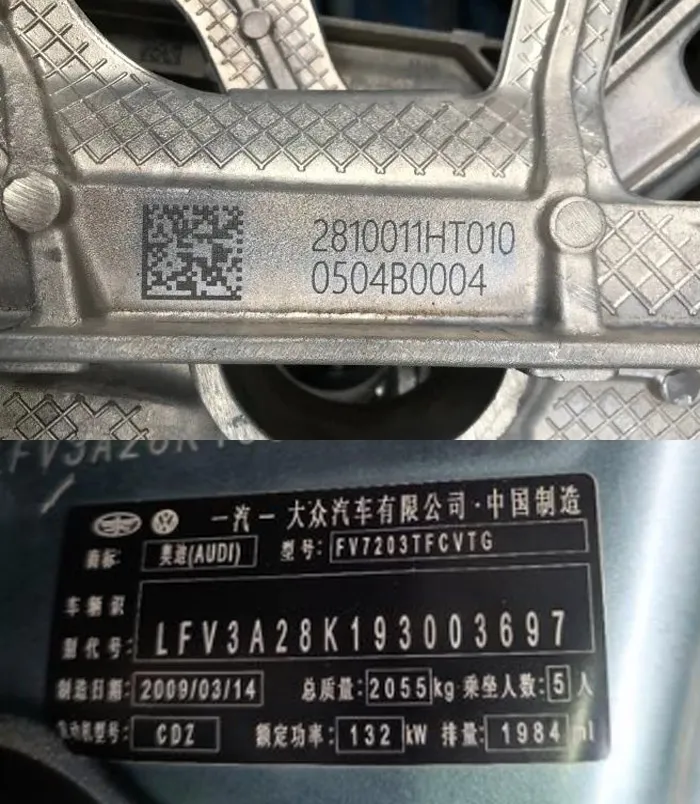
Bottom line: A laser marking machine for automotive VIN numbers should not be selected by wattage or marking speed alone. Before buying, confirm that laser marking is an accepted method for the target vehicle and market, test the actual chassis material and surface condition, agree on the required mark geometry and durability, and prove that the VIN sent to the laser matches the vehicle record. For a passenger-car body line, truck chassis, motorcycle frame or off-road vehicle frame, the practical challenge is usually the same: the VIN must be in the approved location, remain readable, be difficult to alter or…

Laser Marking Barcodes on Stainless Steel Products: 7 Traceability Requirements to Plan
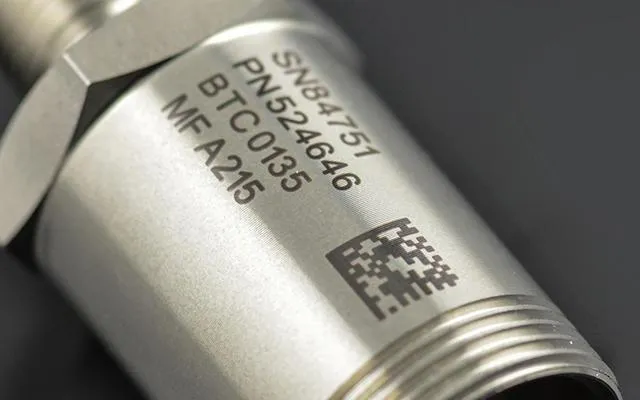
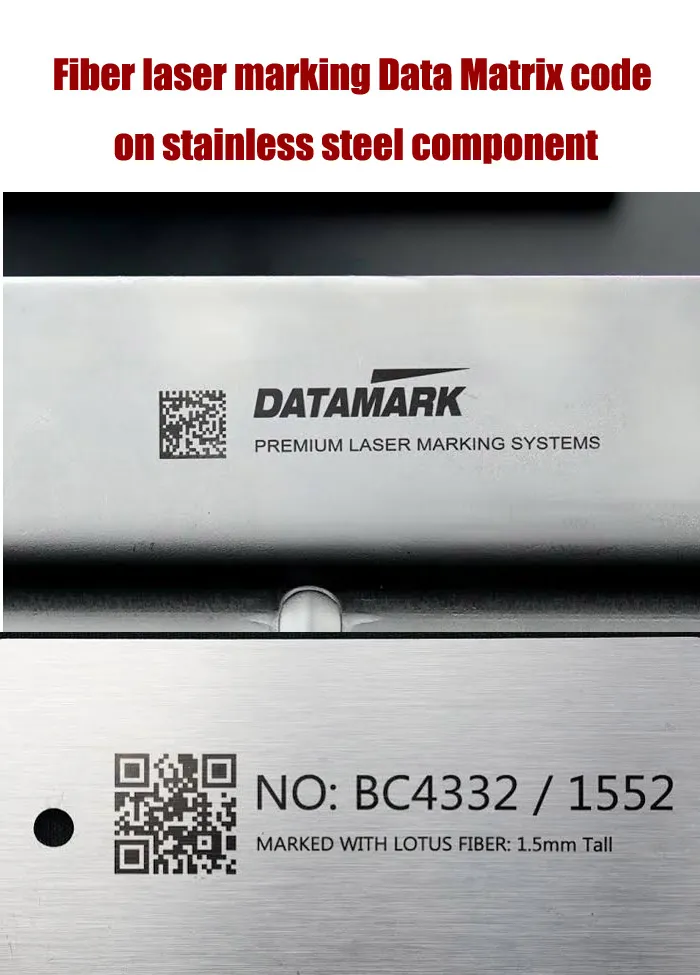
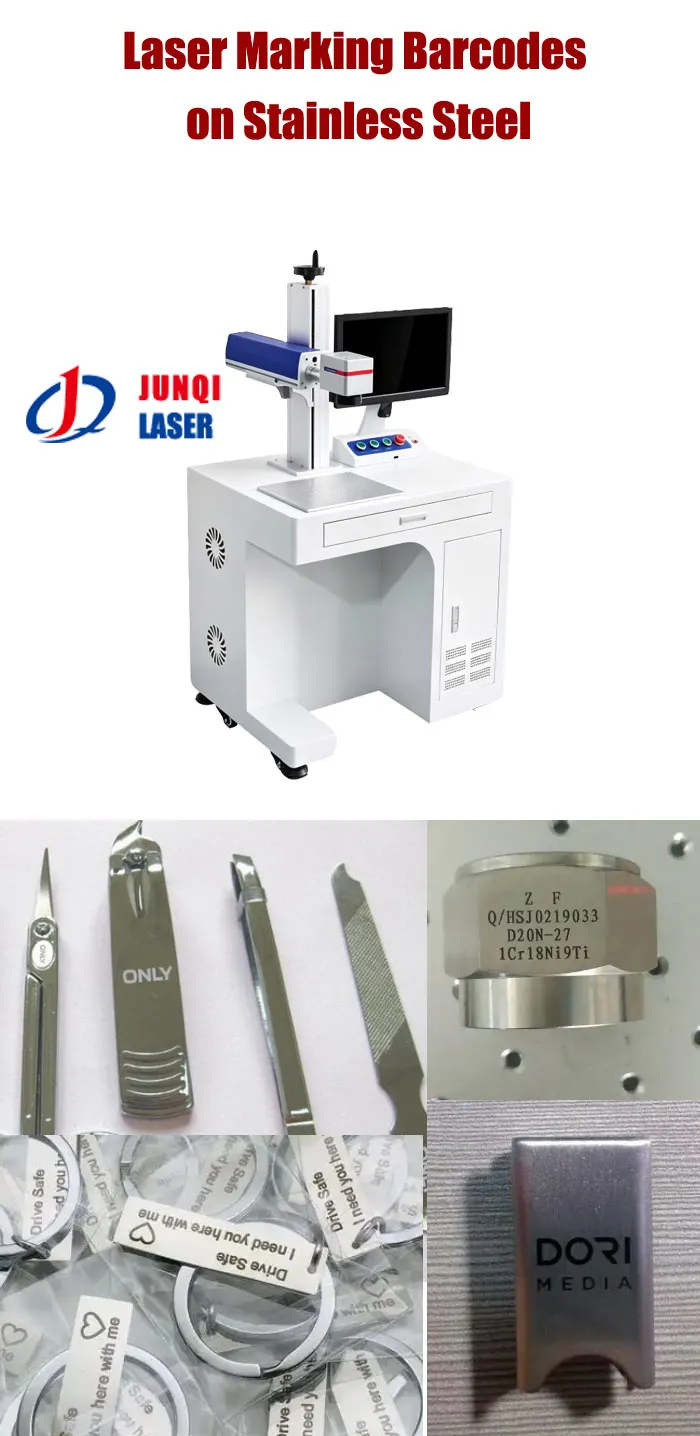
Metal Marking & Product Traceability | JQ Laser Laser Marking Barcodes on Stainless Steel: 7 Traceability Requirements Quick answer: To mark traceable barcodes on stainless steel, first define the required code type and data, then validate the mark with the reader or verifier that will be used in production. A 1064nm fiber laser is a common starting point for direct marking on stainless steel, but laser power alone cannot guarantee code quality. Surface finish, symbol size, marking parameters, lighting, scanner type and the required quality standard all affect the result. If you are marking automotive components, machine parts, valves, tools,…

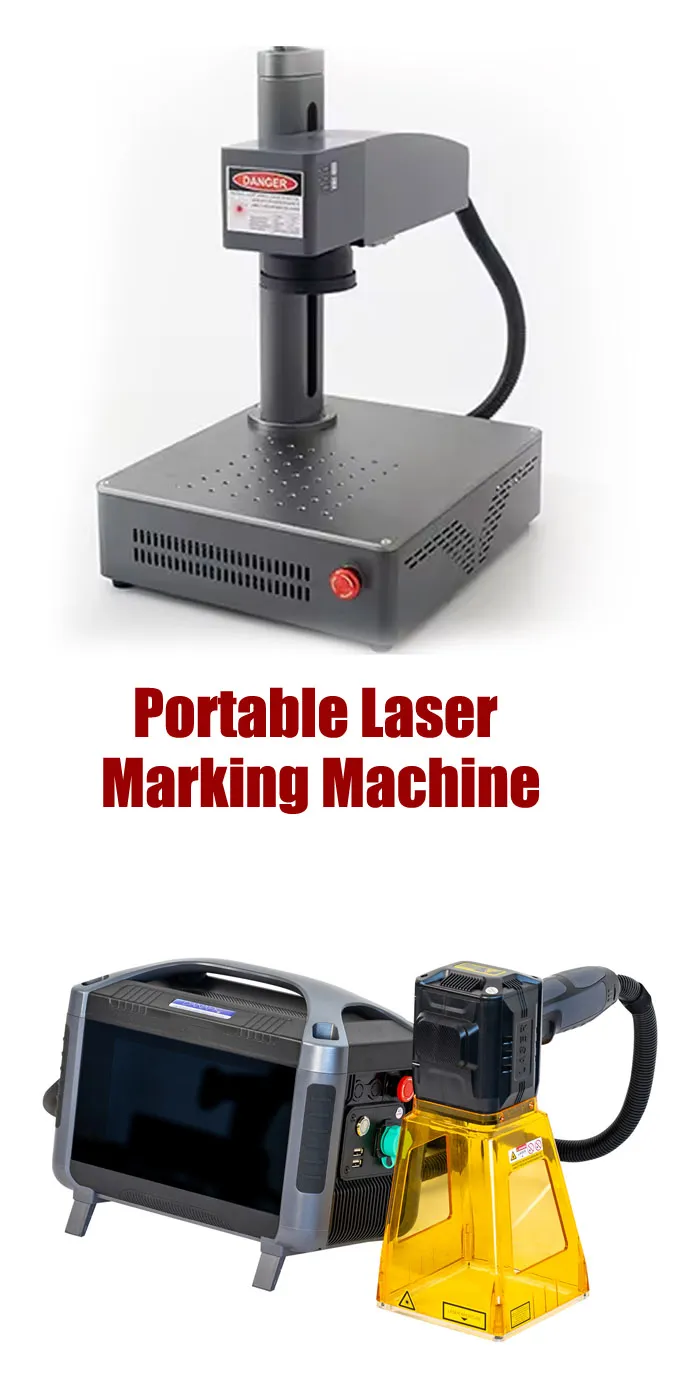
How to Choose a Portable Laser Marking Machine Manufacturer
Portable Laser Marking Machine Buying Guide | JQ Laser Short answer: Choose a portable laser marking machine manufacturer by checking five things before you compare prices: whether the machine can mark your actual parts, whether the complete unit is genuinely portable for your work, whether the supplier can document its configuration, whether the safety arrangements fit your workplace, and whether the manufacturer can support you after delivery. A low price or a large wattage number is not enough. A 20W portable fiber laser may be sufficient for serial numbers and logos on metal parts. A 30W or 50W model may…

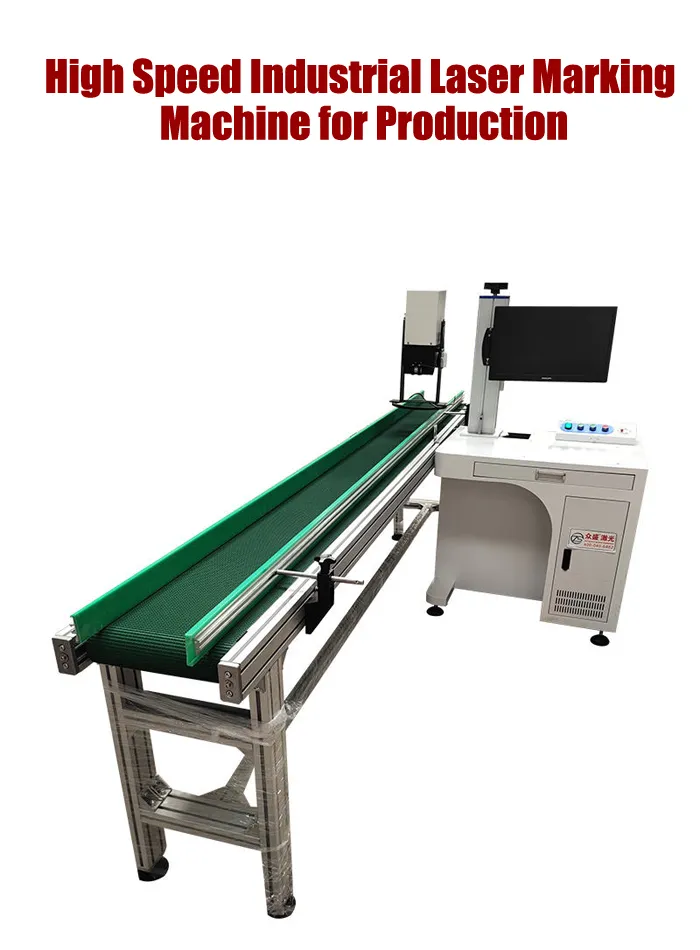
High Speed Industrial Laser Marking Machine for Production: 9 Questions to Ask Before Buying
Industrial Buying Guide | JQ Laser High Speed Industrial Laser Marking Machine for Production: 9 Questions to Ask Before Buying Quick answer: If you need a laser marking machine for continuous production, do not buy on the basis of advertised scanning speed alone. Start with your required parts per minute, the material and surface finish, the mark size, and the quality standard. Then test the complete cycle, including loading, positioning, marking, inspection and unloading. For many metal parts, a 20W or 30W fiber laser is a sensible starting point for serial numbers, logos, QR codes and routine identification. A 50W…

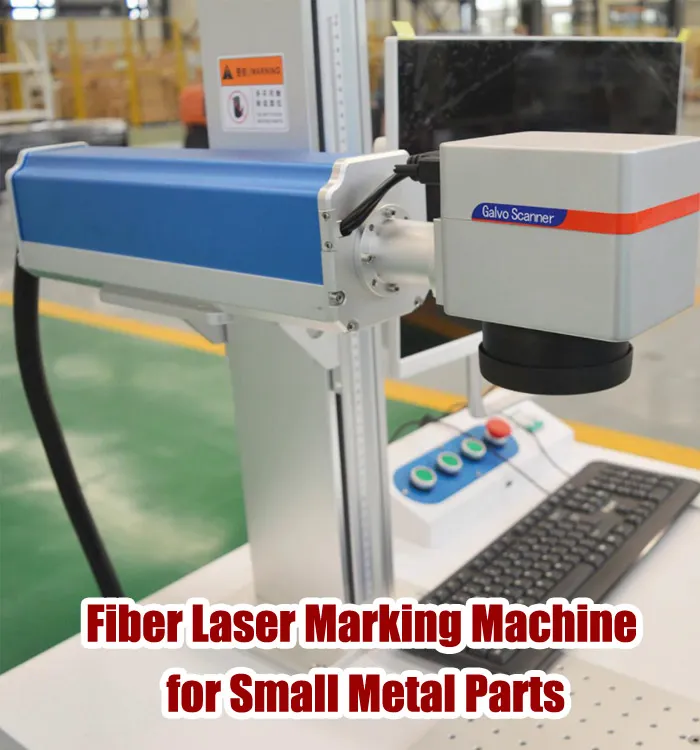
Fiber Laser Marking Machine for Small Metal Parts: 7 Buyer Checks Before You Choose
SMALL METAL PARTS BUYING GUIDE For most small metal parts, a 20W or 30W fiber laser is a sensible starting point for logos, serial numbers, batch IDs and 2D codes. But wattage alone will not tell you whether a machine can mark your part clearly and repeatably. Before ordering, check the actual alloy and surface finish, the smallest feature you need to mark, how the part will be held, the required cycle time, and how the result will be inspected. A 50W machine may be worth the extra cost for faster production or deeper engraving, but it is not automatically…

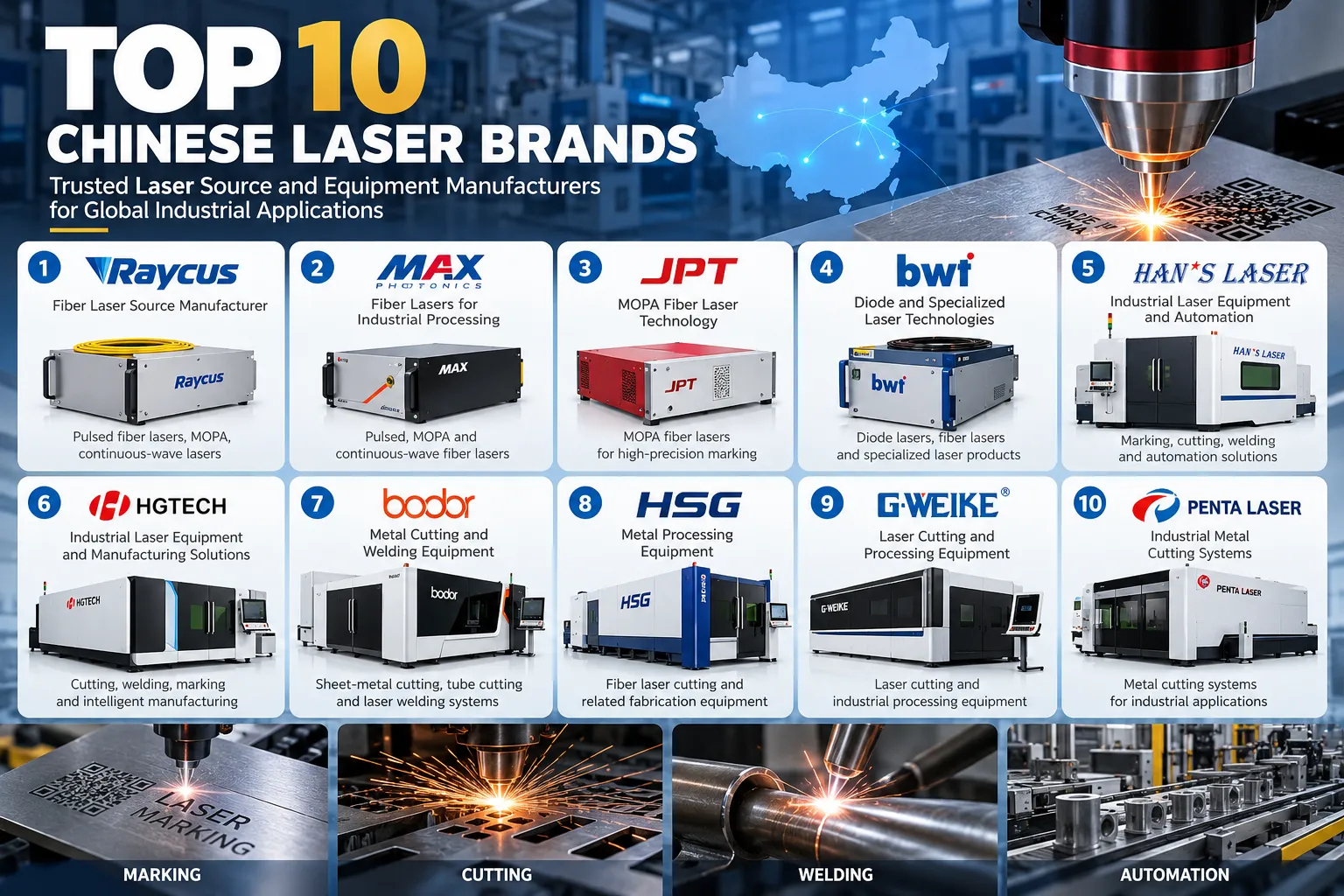
Top 10 Laser Brands and Manufacturers in China: A Practical Buyer’s Guide
When overseas buyers start looking for laser equipment from China, they often ask me the same question: Which Chinese laser manufacturer should I choose? My answer is usually: it depends on what you want to do with the laser. A company that makes laser sources is not necessarily the company that builds your complete marking machine. A manufacturer specializing in high-power cutting equipment may not be the best choice for marking tiny serial numbers on medical components. And a well-known brand does not automatically mean its machine is the right fit for every factory. China has developed a broad laser…
Laser Knowledge Center
Explore professional knowledge about laser marking machines, laser engraving technology, material processing, industrial applications and machine selection guides.
Get Expert Laser AdviceProfessional Laser Marking Knowledge Center
Laser marking technology is widely used in manufacturing industries including automotive, electronics, hardware, medical, battery and consumer products.
Choosing the correct laser machine requires understanding different factors such as:
- Material characteristics
- Laser wavelength
- Processing requirements
- Marking speed
- Production environment
JQ Laser Knowledge Center provides practical technical information to help manufacturers select suitable laser marking solutions and improve production efficiency.