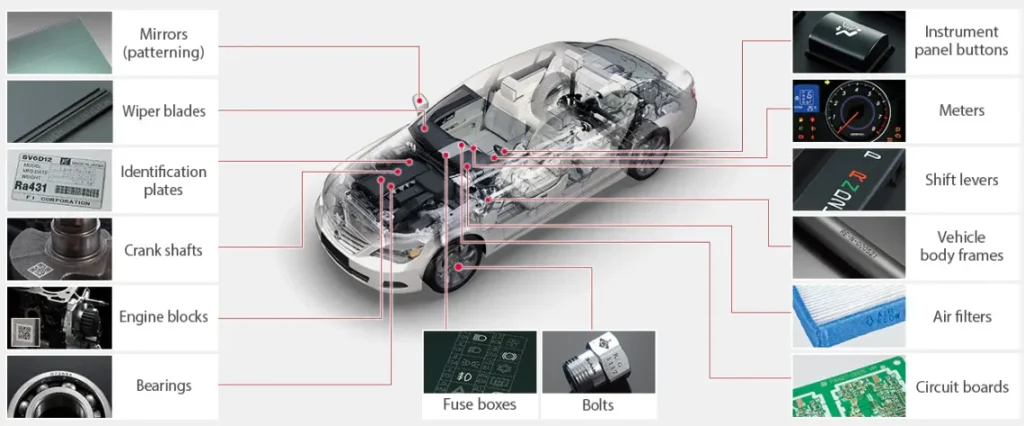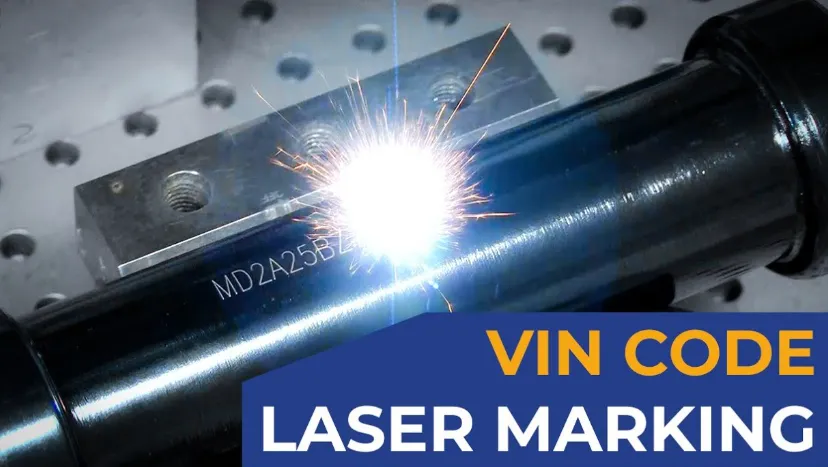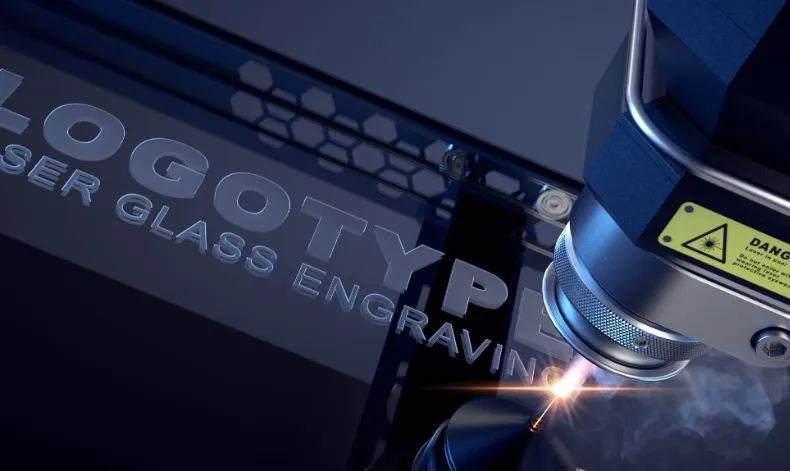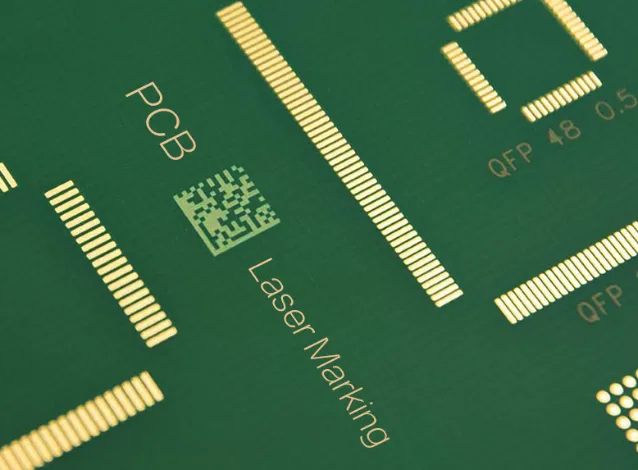
JQ Laser provides professional Engine Parts Marking Solutions for automotive manufacturers and engine component suppliers.Our Fiber Laser Marking Machines deliver permanent, high-precision engraving on engine blocks, cylinder heads, pistons, valves and metal components, helping manufacturers achieve reliable identification and complete production traceability.
Get Engine Marking SolutionTable of Contents
Professional Engine Parts Marking Solution
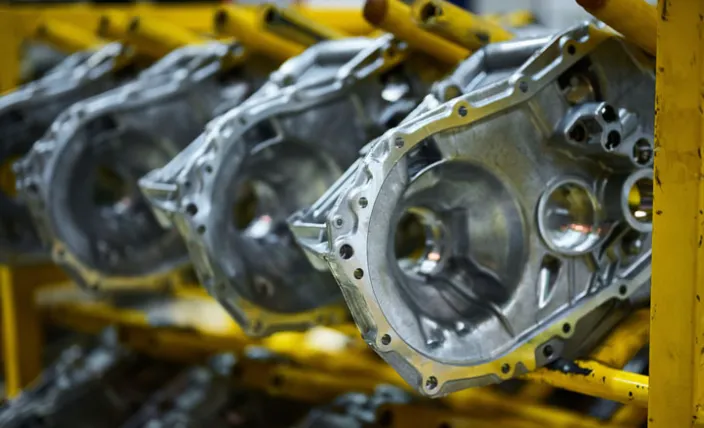
Engine components are among the most important parts in automotive manufacturing.During production, engine parts need permanent identification for quality inspection, production management, supplier tracking and after-sales service.
Traditional marking methods such as labels, ink printing and mechanical stamping often cannot meet the requirements of modern automotive production.Engine components operate under extreme conditions, including high temperature, oil contamination, pressure and mechanical vibration.
Laser marking technology provides a reliable solution by creating permanent marks directly on metal surfaces.The non-contact marking process ensures high precision, excellent durability and stable production performance.
JQ Laser develops customized Engine Parts Marking Solutions for automobile manufacturers, engine factories, machining companies and automotive suppliers worldwide.
Why Use Laser Marking For Engine Components?
01. Permanent Identification
Engine components require marks
that can survive:
✓ High temperature
✓ Oil exposure
✓ Mechanical friction
✓ Long-term operation
02. Component Traceability
Laser marking allows manufacturers
to add:
✓ Serial numbers
✓ Production dates
✓ Batch codes
✓ QR codes
03. Quality Management
Each engine component can be connected with production data for better quality control.
04. Deep Engraving Capability
Fiber laser technology provides deep and durable engraving for metal engine parts.
05. High-Speed Production
Laser marking supports continuous industrial production with fast processing speed.
06. Low Operating Cost
No ink, no labels, no additional consumables, reducing production costs.
Automotive Engine Components That Can Be Laser Marked
Different engine components require different marking solutions. JQ Laser provides optimized laser parameters according to material, surface condition and production requirements.
Engine Block Marking
Applications:
✓ Engine identification number
✓ Serial number
✓ Manufacturer logo
✓ Production information
Recommended:Fiber Laser Marking Machine
Cylinder Head Marking
Suitable for aluminum and metal cylinder heads.
Marking:
✓ QR code
✓ Traceability code
✓ Quality information
Piston Marking
Laser marking provides clear identification without affecting component performance.
Valve Marking
High precision marking for small metal components and engine valves.
Connecting Rod Marking
Permanent serial numbers support production tracking and inspection management.
Turbocharger Components
Laser marking solution for high-temperature automotive parts.
Best Laser Marking Machine For Engine Parts
Engine components are mainly made of metals, including steel, cast iron and aluminum.Fiber laser marking technology is widely used because of its excellent performance on metal materials.
| Laser Type | Application | Advantages |
|---|---|---|
| Fiber Laser Marking Machine | Engine blocks, steel parts, metal components | Fast speed, deep engraving, permanent marking |
| MOPA Laser Marking Machine | Aluminum engine parts, surface color marking | Flexible processing, high contrast |
| Automatic Laser Marking Machine | Large-scale engine production | High efficiency, production integration |
Engine Parts Traceability With Laser Marking
Modern automotive manufacturers require complete traceability throughout the production process.Every engine component can be identified through laser-marked information and connected with digital manufacturing systems.
Serial Number Marking
Unique identification numbers allow manufacturers to track each engine component.
QR Code Marking
QR codes store production data, inspection records and supplier information.
Data Matrix Marking
Compact codes provide reliable component tracking in limited spaces.
Database Integration
Laser marking systems can connect with MES and production management systems.
Engine Parts Laser Marking VS Traditional Marking Methods
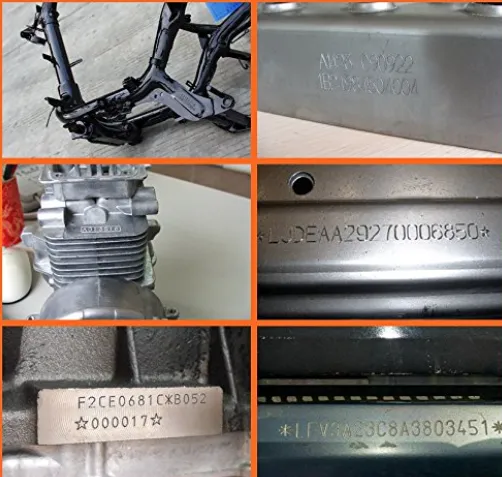
Automotive engine manufacturing requires high-quality identification methods that can withstand extreme operating conditions.Compared with traditional marking technologies, laser marking provides better durability, higher accuracy and easier production integration.
| Comparison | Laser Marking | Traditional Methods |
|---|---|---|
| Mark Durability | Permanent marking, resistant to heat, oil and abrasion | May fade, wear or require replacement |
| Marking Precision | High precision characters, logos and codes | Limited accuracy |
| Production Efficiency | Fast processing, suitable for automation | Slower manual operation |
| Operating Cost | No ink, no labels, low maintenance | Requires consumables |
| Traceability | Supports QR code, Data Matrix, serial number | Limited data management |
Deep Engraving Laser Solution For Engine Parts
Some automotive engine components require deep and permanent engraving because they operate in harsh environments.Engine blocks, transmission parts and heavy-duty components need identification marks that remain readable throughout their service life.
JQ Laser provides high-power Fiber Laser Marking Solutions for deep engraving applications.By optimizing laser power, frequency and scanning parameters, the system can create durable marks on various metal engine components.
Engine Block Deep Marking
Suitable for:
✓ Engine serial numbers
✓ Identification codes
✓ Manufacturer information
✓ Production tracking
Cast Iron Component Engraving
Fiber laser technology provides stable marking performance on hard metal surfaces.
Aluminum Parts Marking
MOPA laser technology provides better contrast and flexible marking for aluminum components.
Heavy Equipment Engine Parts
Suitable for:
✓ Trucks
✓ Construction machinery
✓ Industrial engines
Automatic Engine Parts Marking System For Smart Manufacturing
Modern automotive factories require efficient and intelligent production solutions.Automatic engine parts marking systems combine laser technology, automation equipment and digital management to improve production efficiency and quality control.
Robot Loading System
Robots automatically position engine components for precise marking.
Rotary Marking System
Suitable for cylindrical parts, shafts and round engine components.
Vision Positioning
Camera systems automatically locate marking positions.
MES Data Connection
Connect marking information with factory production databases.
Engine Parts Laser Marking Production Workflow
01
Component Loading
Engine parts are positioned using fixtures or automation systems.
02
Laser Parameter Setting
Select optimized parameters according to material and marking requirements.
03
Laser Marking Process
The laser creates permanent identification directly on the component surface.
04
Quality Inspection
Verify marking quality, readability and accuracy.
Engine Parts Laser Marking Solution By Material
Cast Iron Engine Parts
Recommended:
Fiber Laser Marking Machine
Applications:
Engine blocks,
cylinder components,
heavy-duty parts.
Steel Components
Recommended:
Fiber Laser / Deep Engraving Laser
Applications:
Gear parts,
shafts,
fasteners.
Aluminum Components
Recommended:
MOPA Fiber Laser
Applications:
Cylinder heads,
covers,
housings.
Plastic Engine Components
Recommended:
UV Laser
Applications:
Sensors,
electronic housings.
How To Choose An Engine Parts Laser Marking Machine?
Before purchasing an engine parts marking machine, manufacturers should evaluate material type, production volume, marking requirements and automation needs.
Material Compatibility
Confirm whether the laser system is suitable for cast iron, steel, aluminum or plastic components.
Marking Depth
Deep engraving may be required for engine numbers and critical components.
Production Capacity
Choose manual, semi-automatic or fully automatic systems according to production volume.
Traceability Requirements
Consider QR code, barcode and database integration needs.
Machine Stability
Industrial production requires stable operation and low maintenance.
Supplier Experience
Professional laser manufacturers provide better application support.
Why Choose JQ Laser For Engine Parts Marking Solution
JQ Laser specializes in industrial laser marking solutions for automotive manufacturers, engine factories and OEM suppliers. Our laser marking systems provide reliable identification, traceability and automation solutions for modern manufacturing.
01. Automotive Industry Experience
Our laser marking solutions are developed
for automotive applications including:
• Engine components
• Vehicle parts
• Metal assemblies
• Production traceability
02. Professional Metal Marking Technology
Fiber laser technology provides:
• High marking speed
• Excellent contrast
• Permanent engraving
• Stable performance
03. Customized Engine Marking Solutions
Every production line has different requirements.JQ Laser provides customized solutions
based on:
• Component size
• Material
• Production speed
• Automation level
04. Complete Traceability Solutions
Support marking:
• Serial numbers
• QR codes
• Data Matrix codes
• Logos
• Production information
05. Automation Integration Capability
Laser marking machines can integrate with:
• Robots
• Conveyors
• Vision systems
• MES systems
06. Global Customer Support
We provide:
• Application testing
• Machine selection
• Technical guidance
• After-sales support
Recommended Laser Marking Machines For Engine Parts
Different engine components require different laser technologies. JQ Laser provides suitable marking machines according to material, marking depth and production requirements.
Fiber Laser Marking Machine
Best choice for:
✓ Engine blocks
✓ Steel components
✓ Cast iron parts
✓ Deep engraving
Advantages:
High speed,
high reliability,
permanent marking.
MOPA Laser Marking Machine
Suitable for:
✓ Aluminum engine parts
✓ Surface marking
✓ High contrast codes
✓ Color marking
Flexible laser parameters
for complex materials.
Automatic Laser Marking Machine
Designed for:
✓ Large production lines
✓ Automated factories
✓ Mass component processing
✓ Smart manufacturing
Related Automotive Laser Marking Solutions
Automotive Parts Marking
Complete marking solutions for automotive components, including metal parts and assemblies.
Learn More →QR Code Marking Solution
Improve automotive traceability with permanent QR code marking.
Learn More →Frequently Asked Questions About Engine Parts Marking
What is engine parts marking?
Engine parts marking is the process of creating permanent identification on engine components using technologies such as laser marking. It is used for traceability, quality control and production management.
Which laser is best for engine block marking?
Fiber laser marking machines are commonly used for engine block marking because they provide deep engraving capability, high speed and excellent durability on metal surfaces.
Can laser marking withstand engine operating conditions?
Yes.Laser engraved marks can withstand heat, oil exposure, vibration and mechanical wear, making them suitable for automotive engine components.
What engine components can be laser marked?
Engine blocks, cylinder heads, pistons, valves, connecting rods, turbocharger parts and other metal components can be laser marked.
Can engine parts marking support QR codes?
Yes.Laser marking machines can create QR codes, Data Matrix codes and serial numbers for automotive traceability systems.
Can laser marking machines be integrated into production lines?
Yes.Automatic laser marking systems can integrate with robots, vision systems, PLC controllers and MES platforms.
What is deep engraving laser marking?
Deep engraving uses higher laser energy to create deeper marks on metal surfaces, which is suitable for components requiring long-term durability.
Why choose fiber laser for automotive parts?
Fiber lasers provide excellent performance on metals commonly used in automotive manufacturing, including steel, stainless steel and aluminum.