Table of Contents
Fiber Laser Marking Technology Explained: Complete Guide
Introduction
Fiber laser marking technology has become one of the most important identification and traceability solutions in modern manufacturing.
From automotive components and electronic housings to aerospace parts, medical instruments and precision hardware, thousands of manufacturers worldwide use fiber laser marking machines to create permanent marks that improve product identification, quality control and production management.
Unlike traditional marking methods such as ink printing, stickers and mechanical engraving, fiber laser marking uses a high-energy laser beam to directly modify the surface of a material. The process requires no ink, no chemicals and almost no consumable parts, making it a cleaner, faster and more reliable solution for industrial production.
The popularity of fiber laser marking is mainly driven by several manufacturing trends:
- Increasing demand for product traceability
- Growth of automated production lines
- Higher requirements for permanent identification
- Need for lower operating costs
- Expansion of automotive and electronics manufacturing
A typical fiber laser marking machine uses a 1064nm infrared laser source to process metal materials such as stainless steel, aluminum, copper, brass and titanium. By controlling laser power, speed, frequency and focus position, manufacturers can achieve different effects including surface marking, engraving, annealing and coating removal.
For factories choosing a laser marking solution, understanding fiber laser technology is essential because different materials and production requirements require different configurations.
This guide explains the working principle, technical specifications, applications, advantages and selection criteria of fiber laser marking technology.
What Is Fiber Laser Marking Technology?
Fiber laser marking technology is an industrial process that uses a fiber laser source to generate a concentrated laser beam and create permanent marks on product surfaces.
The technology is based on the interaction between laser energy and material surface.
When the focused laser beam reaches the workpiece, the high energy density causes controlled physical or chemical changes, creating visible and durable marks.
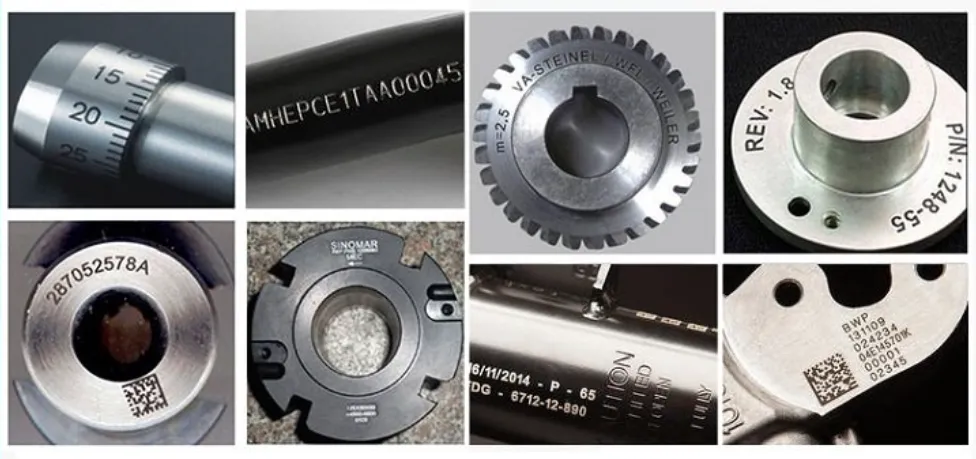
Common marking results include:
| Marking Method | Working Principle | Typical Application |
|---|---|---|
| Laser Annealing | Changes surface color without removing material | Stainless steel medical parts |
| Laser Engraving | Removes material to create depth | Metal tools and components |
| Laser Etching | Creates surface texture | Industrial products |
| Laser Ablation | Removes coating layers | Anodized aluminum |
| Laser Foaming | Creates contrast inside plastics | Plastic components |
Fiber Laser Technology Quick Facts
| Parameter | Specification |
|---|---|
| Laser Type | Fiber Laser |
| Typical Wavelength | 1064nm |
| Laser Medium | Ytterbium-doped optical fiber |
| Power Range | 20W – 100W |
| Marking Speed | Up to 7000-10000 mm/s |
| Service Life | Approximately 80,000-100,000 hours |
| Cooling Method | Air cooling |
| Main Materials | Metals and some plastics |
| Main Industries | Automotive, Electronics, Medical, Aerospace |
Why Is Fiber Laser Widely Used In Manufacturing?
Fiber laser marking has become popular because it provides an excellent balance between:
- Processing speed
- Marking quality
- Equipment reliability
- Operating cost
Compared with traditional technologies, fiber laser systems provide significant advantages:
| Feature | Fiber Laser Marking | Traditional Printing |
|---|---|---|
| Consumables | No ink or labels | Ink required |
| Mark Durability | Permanent | Can fade or peel |
| Maintenance | Low | Frequent replacement |
| Automation | Excellent | Limited |
| Environmental Impact | Clean process | Chemical waste |
| Precision | Very High | Medium |
How Does Fiber Laser Marking Work?
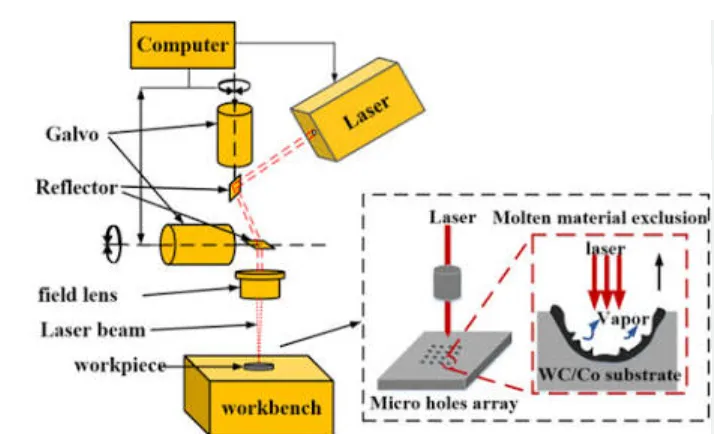
The working principle of a fiber laser marking machine involves several key technologies:
- Laser generation
- Beam transmission
- Optical focusing
- High-speed scanning
- Material surface interaction
Each part works together to convert electrical energy into a precise industrial marking process.
1. Fiber Laser Generation
The core component of a fiber laser marking machine is the fiber laser source.
Unlike CO2 lasers that use gas as the laser medium, fiber lasers use optical fiber doped with rare-earth elements.
The most common element is:
Ytterbium (Yb)
Ytterbium-doped fiber provides excellent laser amplification characteristics.
Advantages Of Ytterbium Fiber Technology
| Characteristic | Manufacturing Benefit |
|---|---|
| High optical efficiency | Lower energy consumption |
| Stable laser output | Consistent marking quality |
| Compact structure | Smaller machine design |
| Long operating life | Reduced replacement cost |
| Excellent beam quality | Higher precision |
2. Why Does Fiber Laser Use 1064nm Wavelength?
Most industrial fiber laser marking machines operate at:
1064nm infrared wavelength
This wavelength is especially suitable for metals because many metal surfaces absorb infrared laser energy effectively.
Material Response To 1064nm Fiber Laser
| Material | Marking Performance |
|---|---|
| Stainless Steel | Excellent |
| Aluminum | Excellent |
| Brass | Excellent |
| Titanium | Excellent |
| Copper | Good |
| Iron | Excellent |
| Silver | Good |
| Gold | Good |
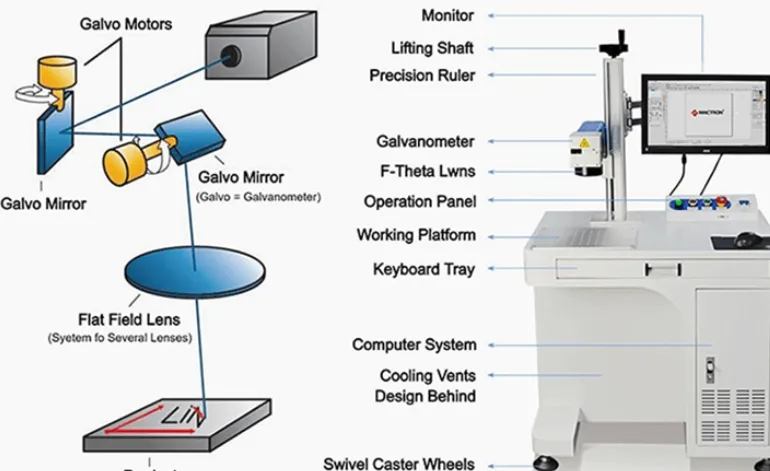
3. Beam Transmission And Control System
After the laser source generates the beam, the optical system controls its movement and position.
The main components include:
| Component | Function |
|---|---|
| Fiber Cable | Transfers laser energy |
| Beam Expander | Adjusts beam size |
| Galvanometer Scanner | Controls laser movement |
| F-Theta Lens | Focuses laser beam |
| Control Software | Creates marking patterns |
Main Components Of A Fiber Laser Marking Machine
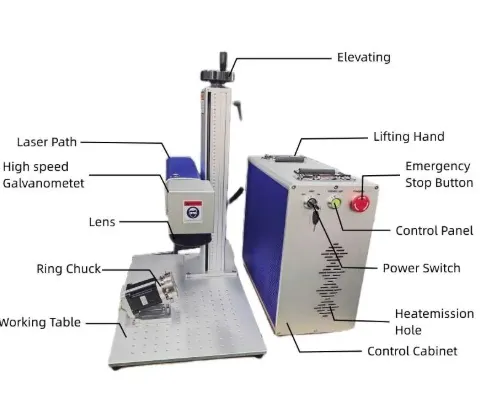
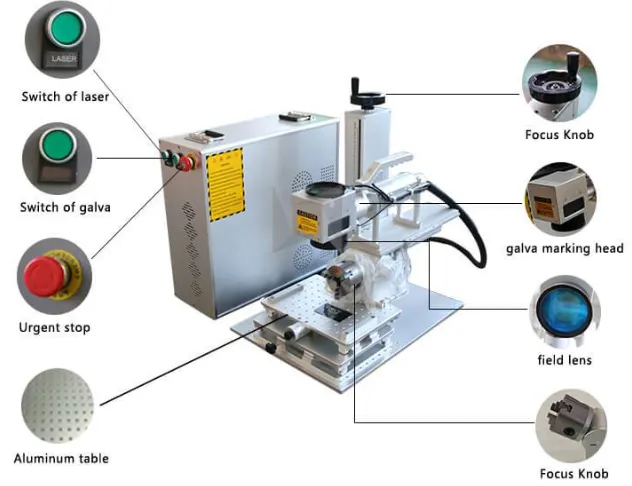
A professional fiber laser marking system usually contains five major parts:
1. Fiber Laser Source
The laser source determines:
- Output power
- Beam quality
- Processing speed
- Machine lifetime
Common power options:
| Laser Power | Recommended Application |
|---|---|
| 20W | Small metal products, logos, QR codes |
| 30W | General industrial marking |
| 50W | High-speed production |
| 60W | Deeper engraving |
| 100W | Heavy industrial processing |
2. Galvanometer Scanner
The galvanometer scanner controls the laser position with high-speed mirrors.
Its advantages include:
| Feature | Benefit |
|---|---|
| High movement speed | Faster production |
| Accurate positioning | Better marking quality |
| Non-contact operation | Low maintenance |
| Digital control | Complex graphics possible |
Industrial galvo systems can achieve very high scanning speeds, making them suitable for automated production environments.
3. F-Theta Lens
The F-theta lens focuses the laser beam onto the material surface.
Its main functions:
| Function | Result |
|---|---|
| Beam focusing | Higher energy density |
| Field correction | Uniform marking |
| Precision control | Clear details |
Common working areas:
| Lens Size | Marking Area | Application |
|---|---|---|
| 70×70mm | Small precision parts | Electronics |
| 110×110mm | Fine marking | Small components |
| 175×175mm | General industrial use | Most factories |
| 300×300mm | Large products | Large surfaces |
4. Control Software
The software controls the entire marking process.
Typical functions include:
| Function | Purpose |
|---|---|
| Text marking | Product information |
| QR code generation | Traceability |
| Barcode marking | Inventory management |
| Serial number automation | Production tracking |
| Graphic design | Logo marking |
Engineering Experience: Selecting Fiber Laser Configuration
In practical industrial applications, choosing a fiber laser marking machine is not only about laser power.
Professional engineers usually evaluate:
| Evaluation Factor | Why It Matters |
|---|---|
| Material type | Determines laser compatibility |
| Surface treatment | Affects marking contrast |
| Production volume | Determines required speed |
| Marking depth | Determines power requirement |
| Product size | Determines lens selection |
| Automation requirement | Determines system configuration |
For example, a stainless steel nameplate manufacturer may only need a 20W-30W fiber laser, while an automotive supplier producing thousands of metal parts daily may require a 50W or higher system.
Fiber Laser Technical Specifications Explained
Choosing a fiber laser marking machine requires understanding the relationship between laser power, marking speed, precision and application requirements.
Many buyers only focus on laser power, but industrial marking performance depends on multiple technical parameters including:
- Laser source quality
- Pulse characteristics
- Beam quality
- Scanning system
- Lens configuration
- Material properties
A professional laser marking system must balance these factors to achieve stable production results.
Key Technical Parameters Of Fiber Laser Marking Machine
| Parameter | Typical Industrial Range | Importance |
|---|---|---|
| Laser Wavelength | 1064nm | Determines material absorption |
| Laser Power | 20W-100W | Affects speed and engraving depth |
| Marking Speed | 3000-10000mm/s | Determines production efficiency |
| Pulse Width | ns to ps level | Controls heat effect |
| Frequency Range | 1-4000kHz | Affects marking quality |
| Position Accuracy | ±0.01mm | Ensures consistency |
| Beam Quality | M² <1.5 | Affects precision |
| Lifetime | 80,000-100,000 hours | Reduces replacement cost |
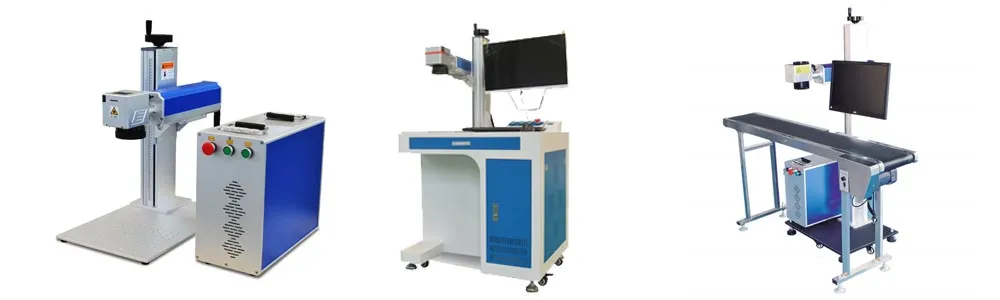
Fiber Laser Power Selection Guide
Laser power is one of the most important factors when selecting equipment.
Higher power does not always mean better performance.
The correct power depends on:
- Material hardness
- Required marking depth
- Production volume
- Processing speed
20W vs 30W vs 50W vs 100W Fiber Laser Comparison
| Feature | 20W Fiber Laser | 30W Fiber Laser | 50W Fiber Laser | 100W Fiber Laser |
|---|---|---|---|---|
| Marking Speed | Medium | High | Very High | Highest |
| Engraving Depth | Light | Medium | Deep | Very Deep |
| Production Volume | Small batch | General factory | Mass production | Heavy industry |
| Energy Consumption | Lowest | Low | Medium | Higher |
| Investment Cost | Low | Medium | Higher | Highest |
| Recommended Industry | Workshop | General manufacturing | Automotive/Electronics | Industrial production |
Recommended Fiber Laser Power By Application
| Application | Recommended Power |
|---|---|
| Stainless steel logo marking | 20W-30W |
| Aluminum nameplate marking | 20W-30W |
| QR code marking | 20W-50W |
| Automotive components | 50W |
| Deep metal engraving | 50W-100W |
| Mold engraving | 60W-100W |
| High-speed production line | 50W+ |
What Is MOPA Fiber Laser Technology?
MOPA (Master Oscillator Power Amplifier) fiber laser is an advanced fiber laser technology that provides better control over pulse duration and frequency.
Compared with traditional Q-switched fiber lasers, MOPA systems offer more flexible parameter adjustment.
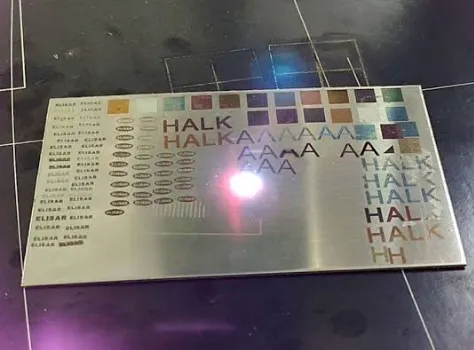
This makes them especially suitable for applications requiring:
- High contrast marking
- Color marking on stainless steel
- Fine processing
- Sensitive materials
MOPA Fiber Laser vs Standard Fiber Laser
| Feature | MOPA Fiber Laser | Standard Fiber Laser |
|---|---|---|
| Pulse Control | Excellent | Limited |
| Frequency Adjustment | Wider range | Standard range |
| Stainless Steel Color Marking | Excellent | Limited |
| Aluminum Black Marking | Excellent | Good |
| Plastic Processing | Better | Moderate |
| Fine Detail Processing | Excellent | Good |
| Cost | Higher | Lower |
MOPA Fiber Laser Applications
MOPA technology is commonly used in industries requiring higher precision:
| Industry | Application |
|---|---|
| Electronics | Micro marking |
| Medical | Surgical instrument identification |
| Jewelry | Decorative marking |
| Automotive | High contrast codes |
| Consumer Electronics | Aluminum black marking |
Laser Marking Methods Explained
Fiber laser systems can create different marking effects depending on laser parameters.
The main methods include:
- Laser Annealing
- Laser Engraving
- Laser Etching
- Laser Ablation
1. Laser Annealing
Laser annealing changes the material surface color without removing material.
The laser heats the surface and creates controlled oxidation effects.
Common materials:
| Material | Result |
|---|---|
| Stainless Steel | Black, blue, yellow color effects |
| Titanium | Color marking |
| Medical Steel | High contrast identification |
Advantages:
| Benefit | Description |
|---|---|
| No material removal | Maintains surface structure |
| Clean process | No dust generation |
| Suitable for medical products | High cleanliness |
2. Laser Engraving
Laser engraving removes material from the surface and creates physical depth.
Applications:
| Product | Purpose |
|---|---|
| Metal tools | Permanent identification |
| Industrial parts | Serial numbers |
| Mold components | Traceability |
Advantages:
| Feature | Benefit |
|---|---|
| Deep marking | Long-term durability |
| Wear resistance | Suitable for harsh environments |
| Permanent identification | Lifetime tracking |
3. Laser Etching
Laser etching creates a textured surface by modifying the material.
Compared with engraving:
| Comparison | Etching | Engraving |
|---|---|---|
| Depth | Shallow | Deeper |
| Speed | Faster | Slower |
| Heat Effect | Lower | Higher |
| Application | Logos, codes | Industrial parts |
4. Laser Ablation
Laser ablation removes a surface coating without damaging the base material.
Common applications:
| Material | Application |
|---|---|
| Anodized Aluminum | Remove coating for contrast |
| Painted Metal | Logo marking |
| Coated Components | Identification |
Fiber Laser Marking vs Fiber Laser Engraving
Although many people use the terms interchangeably, laser marking and laser engraving are different processes.
| Feature | Laser Marking | Laser Engraving |
|---|---|---|
| Material Removal | Minimal | Significant |
| Processing Speed | Faster | Slower |
| Depth | Surface level | Deep |
| Heat Generation | Lower | Higher |
| Application | Identification | Permanent engraving |
Factors Affecting Fiber Laser Marking Quality
High-quality marking depends on proper parameter adjustment.
1. Laser Power
Higher power provides:
- Faster processing
- Deeper engraving
However excessive power may cause:
- Burning
- Rough edges
- Material deformation
2. Marking Speed
Speed affects processing time and marking intensity.
| Speed Setting | Result |
|---|---|
| Higher Speed | Faster production, lighter mark |
| Lower Speed | Stronger mark, deeper engraving |
3. Frequency
Laser frequency influences surface quality.
| Frequency | Effect |
|---|---|
| Low Frequency | Stronger impact, deeper engraving |
| High Frequency | Smoother surface finish |
4. Focus Position
Correct focus ensures:
- Maximum energy density
- Clear edges
- Stable marking quality
Incorrect focus may cause:
- Blurry text
- Uneven lines
- Reduced efficiency
Fiber Laser Performance Comparison
Traditional Marking vs Fiber Laser Marking
| Feature | Fiber Laser | Ink Printing | Mechanical Engraving |
|---|---|---|---|
| Permanent Mark | Excellent | Poor | Excellent |
| Consumables | None | Ink required | Cutting tools |
| Contact With Product | No | No | Yes |
| Maintenance Cost | Low | High | Medium |
| Environmental Impact | Low | Chemical waste | Metal waste |
| Automation | Excellent | Medium | Limited |
Operating Cost Comparison
Example:
Industrial production over 5 years:
| Cost Item | Fiber Laser | Ink Printer |
|---|---|---|
| Equipment | Higher initial cost | Lower initial cost |
| Consumables | Almost zero | Continuous ink cost |
| Maintenance | Low | Frequent |
| Production Stability | High | Medium |
| Long-term Cost | Lower | Higher |
Engineering Experience: Why Fiber Laser Parameter Testing Matters
In real manufacturing environments, the same material can produce different marking results depending on surface treatment, alloy composition and production requirements.
For example:
A stainless steel 304 plate and a stainless steel component with surface coating may require completely different laser parameters.
Professional testing normally evaluates:
| Test Item | Purpose |
|---|---|
| Power adjustment | Control marking intensity |
| Speed testing | Optimize production efficiency |
| Frequency adjustment | Improve surface quality |
| Focus calibration | Ensure precision |
| Multiple samples | Confirm production stability |
A proper parameter test before mass production can significantly reduce production errors and improve consistency.
Industrial Applications Of Fiber Laser Marking Technology
Fiber laser marking technology has become a standard solution across many manufacturing industries because it provides permanent identification, high precision and excellent production efficiency.
Compared with traditional methods such as ink printing, stickers or mechanical engraving, fiber laser marking allows manufacturers to create traceable information directly on components.
Modern factories use fiber laser marking systems for:
- Product identification
- Serial number marking
- QR code marking
- Barcode generation
- Brand logo marking
- Safety information marking
- Anti-counterfeiting identification
Main Industries Using Fiber Laser Marking Machines
| Industry | Common Materials | Typical Applications |
|---|---|---|
| Automotive | Steel, Aluminum, Stainless Steel | VIN codes, serial numbers, parts traceability |
| Electronics | Aluminum, Stainless Steel, Copper | Housing marking, QR codes, components |
| Battery Manufacturing | Aluminum, Copper, Plastic | Battery traceability, safety codes |
| Aerospace | Titanium, Aluminum Alloy | Permanent component identification |
| Medical | Stainless Steel, Titanium | UDI marking, surgical instruments |
| Hardware | Steel, Brass, Aluminum | Tools, machine parts |
| Jewelry | Gold, Silver, Platinum | Logos, customization |
| Industrial Equipment | Metals | Equipment identification |
Automotive Fiber Laser Marking Applications
The automotive industry is one of the largest users of fiber laser marking technology.
Modern vehicles contain thousands of components that require permanent identification throughout their service life.
Automotive manufacturers use laser marking because components must withstand:
- High temperature
- Oil exposure
- Chemical environments
- Mechanical friction
- Long-term operation
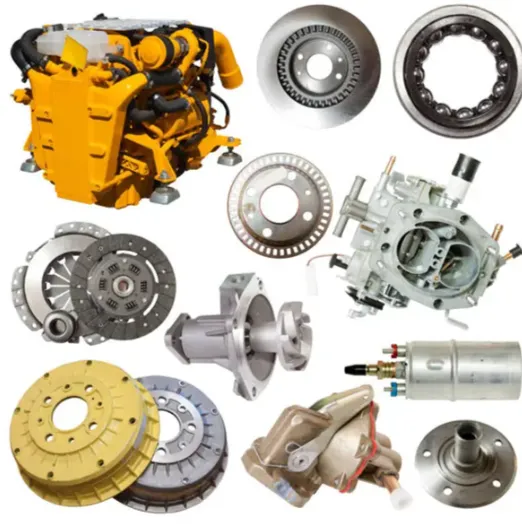
Common Automotive Components Marked By Fiber Laser
| Component | Material | Marking Information |
|---|---|---|
| Engine Components | Aluminum, Steel | Serial number |
| Transmission Parts | Steel | Production code |
| Brake Components | Stainless Steel | Safety identification |
| Chassis Parts | Steel | Traceability code |
| Electronic Modules | Aluminum | QR code |
| Fasteners | Steel | Batch number |
Automotive Application Example
Customer Requirement
A manufacturer producing automotive metal components required:
- Permanent QR code marking
- High-speed production
- Resistance to oil and heat
- Integration with production line
Recommended Solution
50W Fiber Laser Marking Machine
Expected Benefits
| Before | After Fiber Laser |
|---|---|
| Ink labels required | Direct permanent marking |
| Manual tracking | Digital traceability |
| Label replacement | Lifetime identification |
| Higher operating cost | Lower maintenance cost |
Electronics Industry Fiber Laser Applications
Electronic products require extremely accurate identification because components are becoming smaller and more complex.
Fiber lasers are commonly used for metal parts, while UV lasers are preferred for heat-sensitive electronic materials.
Electronics Applications
| Product | Material | Marking Purpose |
|---|---|---|
| Laptop Housing | Aluminum | Logo marking |
| Smartphone Frame | Aluminum | Brand identification |
| Connectors | Copper | Product code |
| Sensors | Stainless Steel | Serial number |
| Electronic Enclosures | Metal | QR code |
Why Electronics Manufacturers Choose Laser Marking?
| Requirement | Fiber Laser Advantage |
|---|---|
| Small marking area | High precision beam |
| Permanent identification | Wear-resistant marking |
| Automation | Easy integration |
| High production speed | Fast scanning system |
Battery Manufacturing Applications
The rapid growth of electric vehicles and energy storage systems has increased demand for laser marking technology.
Battery manufacturers require reliable traceability because each battery cell and module needs production information throughout its lifecycle.
Battery Laser Marking Requirements
| Requirement | Fiber Laser Solution |
|---|---|
| QR code marking | High precision marking |
| Serial number | Permanent identification |
| Aluminum shell marking | Excellent absorption |
| Copper terminal marking | Optimized parameters |
| Production tracking | Database integration |
Battery Materials And Recommended Laser
| Battery Material | Recommended Laser | Reason |
|---|---|---|
| Aluminum Shell | Fiber Laser | Excellent metal processing |
| Copper Electrode | Fiber / Green Laser | Copper reflectivity consideration |
| Steel Housing | Fiber Laser | Strong marking effect |
| Plastic Parts | UV Laser | Lower heat impact |
Aerospace Fiber Laser Marking Applications
Aerospace components require extremely reliable identification because parts operate under demanding conditions.
Laser marking provides permanent information that remains readable throughout the component lifetime.
Aerospace Materials
| Material | Application |
|---|---|
| Titanium Alloy | Aircraft components |
| Aluminum Alloy | Structural parts |
| Stainless Steel | Engine components |
| Nickel Alloy | High-temperature parts |
Aerospace Marking Requirements
| Requirement | Laser Solution |
|---|---|
| Long-term durability | Permanent laser marking |
| Corrosion resistance | Deep engraving |
| High precision | Fine beam control |
| Traceability | Serial number and codes |
Medical Device Fiber Laser Applications
Medical manufacturers require strict identification standards.
Fiber laser marking is commonly used because it creates clean, permanent and chemical-free marks.
Medical Applications
| Product | Material | Marking |
|---|---|---|
| Surgical Instruments | Stainless Steel | Product ID |
| Implants | Titanium | Traceability code |
| Medical Equipment | Metal | Serial number |
| Dental Tools | Stainless Steel | Brand marking |
Jewelry And Precision Product Applications
Fiber lasers allow manufacturers to create detailed permanent designs on precious metals.
Applications:
- Gold jewelry logo marking
- Silver product identification
- Personalized engraving
- Serial number marking
Fiber Laser Material Compatibility Guide
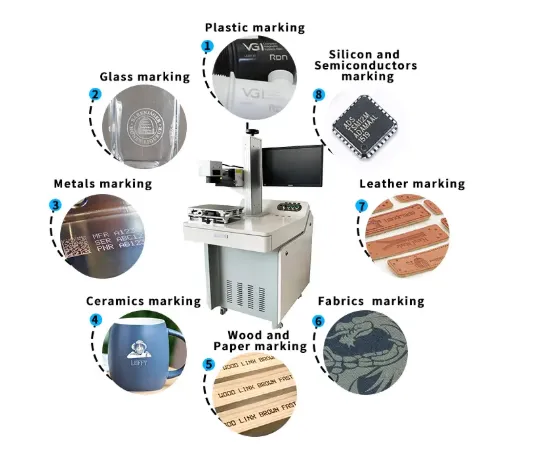
Fiber laser marking is especially suitable for metals.
Metal Material Marking Performance
| Material | Marking Quality | Common Application |
|---|---|---|
| Stainless Steel | Excellent | Industrial parts, medical devices |
| Aluminum | Excellent | Electronics, automotive parts |
| Copper | Good | Electrical components |
| Brass | Excellent | Hardware products |
| Titanium | Excellent | Aerospace, medical |
| Gold | Good | Jewelry |
| Silver | Good | Jewelry and luxury products |
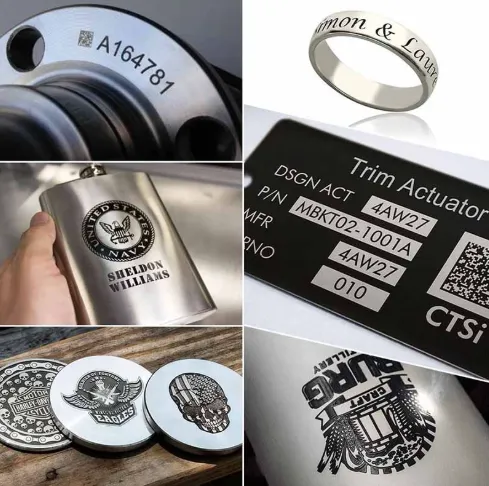
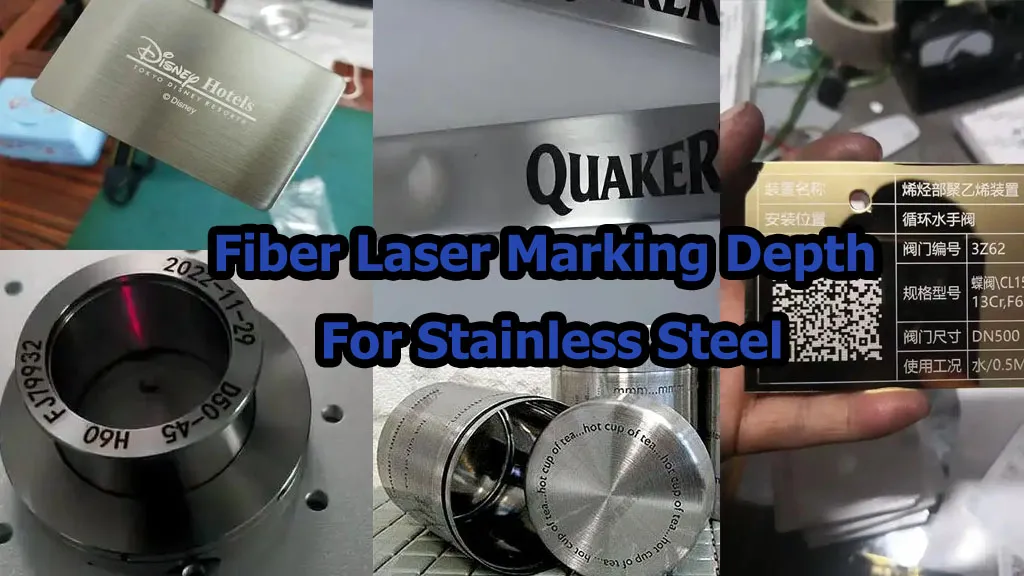
Stainless Steel Laser Marking
Stainless steel is one of the most common materials processed by fiber lasers.
Applications include:
- Kitchen equipment
- Medical instruments
- Automotive parts
- Industrial components
Advantages:
| Feature | Result |
|---|---|
| High contrast | Clear identification |
| Permanent marking | Long service life |
| No surface damage | Suitable for precision products |
Aluminum Laser Marking
Aluminum is widely used in electronics and automotive industries.
Fiber laser can create:
- Black marking
- White marking
- Engraving
- Anodized aluminum removal
Copper Laser Marking
Copper has high reflectivity, making processing more challenging.
Applications:
- Electrical terminals
- Circuit components
- Connectors
Professional parameter adjustment is required to achieve stable results.
Titanium Laser Marking
Titanium is widely used in aerospace and medical industries.
Fiber laser provides:
- High contrast marking
- Permanent identification
- Excellent corrosion resistance
Fiber Laser vs UV Laser vs CO2 Laser Comparison
Choosing the correct laser technology depends on material and application.
| Feature | Fiber Laser | UV Laser | CO2 Laser |
|---|---|---|---|
| Wavelength | 1064nm | 355nm | 10.6μm |
| Main Materials | Metals | Plastic, Electronics | Wood, Glass, Organic Materials |
| Metal Marking | Excellent | Good | Limited |
| Plastic Marking | Medium | Excellent | Good |
| Precision | Very High | Extremely High | Medium |
| Heat Effect | Medium | Very Low | Medium |
| Machine Cost | Medium | High | Medium |
| Lifetime | 80,000h+ | 15,000-30,000h | 20,000h+ |
| Best Application | Industrial metal marking | Precision marking | Engraving organic materials |
How To Choose The Right Fiber Laser Marking Machine?
Before purchasing equipment, manufacturers should evaluate:
| Selection Factor | Questions To Consider |
|---|---|
| Material | What material needs marking? |
| Production Volume | How many products per day? |
| Marking Depth | Surface marking or deep engraving? |
| Product Size | What marking area is required? |
| Automation | Manual or production line integration? |
| Budget | What investment level is suitable? |
Recommended Fiber Laser Configuration
| Customer Requirement | Recommended Configuration |
|---|---|
| Small workshop | 20W Fiber Laser |
| General manufacturing | 30W Fiber Laser |
| Automotive supplier | 50W Fiber Laser |
| Deep engraving factory | 60W-100W Fiber Laser |
| Precision marking | MOPA Fiber Laser |
Lens Selection Guide
The marking area depends on the selected F-theta lens.
| Lens | Working Area | Suitable Application |
|---|---|---|
| 70×70mm | Small | Micro marking |
| 110×110mm | Standard precision | Electronics |
| 175×175mm | Most common | Industrial products |
| 200×200mm | Medium-large products | Hardware |
| 300×300mm | Large area | Large components |
Engineering Experience: Choosing The Right Fiber Laser
In real manufacturing projects, selecting a fiber laser marking machine requires more than choosing the highest power model.
A common mistake is purchasing excessive power without considering actual production requirements.
For example:
- A small stainless steel nameplate manufacturer may achieve excellent results with a 20W or 30W system.
- An automotive supplier producing thousands of parts daily may require a 50W or higher system.
- A precision electronics manufacturer may benefit more from a MOPA fiber laser rather than a higher-power standard laser.
The correct solution improves:
- Production efficiency
- Marking quality
- Equipment lifetime
- Return on investment
Fiber Laser Marking Machine Maintenance Guide
A fiber laser marking machine is known for its long service life and low maintenance requirements. However, regular maintenance is still essential to ensure stable marking quality, extend equipment lifetime and reduce unexpected downtime.
Compared with traditional marking equipment, fiber laser systems have fewer consumable parts because they do not require ink, printing heads or mechanical cutting tools.
Proper maintenance mainly focuses on:
- Optical system protection
- Working environment control
- Software and electrical inspection
- Regular parameter verification
Daily Maintenance Checklist
| Maintenance Item | Recommended Frequency | Purpose |
|---|---|---|
| Clean working area | Daily | Prevent dust accumulation |
| Check protective lens | Daily | Maintain beam quality |
| Check machine appearance | Daily | Detect abnormal conditions |
| Confirm marking quality | Daily | Ensure production consistency |
| Check cable connections | Weekly | Prevent communication problems |
| Backup marking files | Monthly | Protect production data |
Optical System Maintenance
The optical system directly affects laser marking performance.
Important components include:
- F-theta lens
- Galvanometer scanner
- Protective window
- Laser output path
A contaminated lens may cause:
| Problem | Possible Result |
|---|---|
| Reduced laser energy | Weak marking |
| Uneven beam distribution | Inconsistent quality |
| Blurry characters | Poor readability |
| Excessive heat | Lens damage |
Working Environment Requirements
The installation environment affects machine stability.
| Factor | Recommended Condition |
|---|---|
| Temperature | 10℃-35℃ |
| Humidity | Normal industrial environment |
| Dust Level | Low |
| Power Supply | Stable voltage |
| Workspace | Clean and dry |
Software And Parameter Management
Modern fiber laser marking machines rely heavily on software control.
Important management practices:
| Item | Recommendation |
|---|---|
| Marking files | Regular backup |
| Parameter library | Save tested settings |
| Software updates | Apply when necessary |
| User permissions | Prevent accidental changes |
Common Fiber Laser Marking Problems And Solutions
Even high-quality laser systems may experience marking issues due to incorrect settings, environmental conditions or material differences.
Problem 1: Marking Is Too Light
Possible Causes
| Cause | Solution |
|---|---|
| Laser power too low | Increase power setting |
| Marking speed too fast | Reduce speed |
| Incorrect focus position | Adjust focal distance |
| Wrong parameters | Optimize settings |
| Dirty optical lens | Clean lens |
Problem 2: Marking Quality Is Not Clear
ymptoms:
- Blurry text
- Uneven lines
- Poor QR code recognition
Solutions:
| Cause | Improvement |
|---|---|
| Incorrect focus | Recalibrate focus |
| Poor parameter setting | Perform testing |
| Material surface difference | Adjust frequency and power |
| Lens contamination | Clean optical system |
Problem 3: Deep Engraving Is Too Rough
Possible reasons:
| Cause | Solution |
|---|---|
| Excessive power | Reduce power |
| Slow speed | Increase speed |
| Wrong frequency | Optimize frequency |
| Multiple passes incorrect | Adjust processing strategy |
Problem 4: Machine Cannot Mark
Check:
| Inspection Item | Action |
|---|---|
| Power supply | Confirm connection |
| Software communication | Restart system |
| Laser source status | Check alarm information |
| Scanner connection | Verify cables |
| Emergency stop | Confirm released status |
Fiber Laser Lifetime And Reliability
One of the biggest advantages of fiber laser technology is its long operating life.
Typical industrial fiber laser source lifetime:
80,000-100,000 hours
Comparison:
| Technology | Typical Lifetime |
|---|---|
| Fiber Laser | 80,000h+ |
| UV Laser | 15,000-30,000h |
| CO2 Laser | 20,000h+ |
| Ink Printer Head | Much shorter replacement cycle |
Long lifetime means:
- Lower maintenance cost
- Higher production availability
- Better investment return
Industrial Cost Analysis
Although fiber laser marking machines may require higher initial investment than traditional printers, the long-term operating cost is usually lower.
5-Year Ownership Comparison
| Cost Category | Fiber Laser | Ink Printing |
|---|---|---|
| Initial Equipment | Medium | Low |
| Consumables | Almost Zero | Continuous |
| Maintenance | Low | Medium-High |
| Production Downtime | Low | Higher |
| Environmental Cost | Low | Higher |
| Long-Term Cost | Lower | Higher |
Fiber Laser Marking Machine Buyer Checklist
Before purchasing a fiber laser system, buyers should evaluate the following:
| Question | Why Important |
|---|---|
| What material needs marking? | Determines laser compatibility |
| What marking effect is required? | Determines process method |
| What production volume? | Determines laser power |
| What marking area? | Determines lens selection |
| Is automation required? | Determines system configuration |
| Is future expansion needed? | Determines upgrade capability |
Recommended Related Products
Fiber Laser Marking Machine
CO2 Laser Marking Machine
UV Laser Marking Machine
MOPA Laser Marking Machine
Automatic Laser Marking Machine
Desktop Laser Marking Machine
Pneumatic Marking Machine
Portable Laser Marking Machine
Pneumatic Marking Machine
Related Solution Pages
Metal Marking Solution
Product Traceability Solution
QR Code Marking Solution
Serial Number Marking Solution
Logo Engraving Solution
Deep Engraving Solution
Color Marking Solution
Automation Marking Solution
Plastic Marking Solution
Aerospace Laser Marking Solution
Food & Beverage Laser Marking Solution
Related Industry Pages
Automotive Industry
Electronics Industry
Medical Industry
Packaging Industry
Hardware Industry
Jewelry Industry
Battery Industry
Frequently Asked Questions (FAQ)
1. What is fiber laser marking technology?
Fiber laser marking technology uses a high-energy 1064nm fiber laser beam to permanently modify material surfaces and create marks such as text, logos, QR codes and serial numbers.
2. How does a fiber laser marking machine work?
A fiber laser marking machine generates a laser beam through a fiber laser source, controls the beam position using a galvanometer scanner and focuses energy onto the material surface to create permanent marks.
3. What materials can a fiber laser mark?
Fiber lasers are mainly used for metals including stainless steel, aluminum, copper, brass and titanium. They can also process some plastics and coated materials.
4. What is the difference between fiber laser marking and engraving?
Laser marking usually creates surface changes, while engraving removes material to create deeper physical marks.
| Feature | Marking | Engraving |
|---|---|---|
| Depth | Shallow | Deep |
| Speed | Faster | Slower |
| Material Removal | Minimal | Higher |
| Application | Identification | Deep engraving |
5. How long does a fiber laser marking machine last?
A high-quality fiber laser source typically provides approximately 80,000 hours or more of operating life under normal industrial conditions.
6. What power fiber laser marking machine do I need?
Most factories use:
| Application | Recommended Power |
|---|---|
| Logo marking | 20W |
| General industrial marking | 30W |
| Automotive production | 50W |
| Deep engraving | 60W-100W |
7. Can fiber laser mark stainless steel?
Yes. Stainless steel is one of the best materials for fiber laser marking and can achieve high-contrast permanent marks.
8. Can fiber laser mark aluminum?
Yes. Fiber lasers can mark aluminum products including anodized aluminum, aluminum housings and industrial components.
9. What is MOPA fiber laser?
MOPA fiber laser is an advanced fiber laser technology that provides better pulse control and is suitable for applications requiring high contrast, color marking and fine processing.
10. Does fiber laser marking require consumables?
No. Fiber laser marking does not require ink, labels or chemicals, which significantly reduces operating costs.
11. Is fiber laser marking environmentally friendly?
Yes. Fiber laser marking is a clean process because it does not require chemical inks or printing materials.
12. Can fiber laser marking machines be automated?
Yes. Fiber laser systems can integrate with:
- Robots
- Conveyor systems
- Production databases
- Vision inspection systems
Fiber laser marking technology has become one of the most important solutions in modern industrial manufacturing.
With advantages including:
- Permanent marking
- High precision
- Fast processing speed
- Long lifetime
- Low operating cost
- Excellent automation capability
fiber laser systems are widely used in automotive, electronics, battery, aerospace, medical and hardware industries.
For manufacturers working with metals such as stainless steel, aluminum, copper and titanium, fiber laser marking provides an efficient and reliable method for product identification and traceability.
However, selecting the correct system requires considering material characteristics, production requirements, marking depth and automation needs.
A properly configured fiber laser marking machine can provide years of stable operation while improving production efficiency and reducing long-term costs.