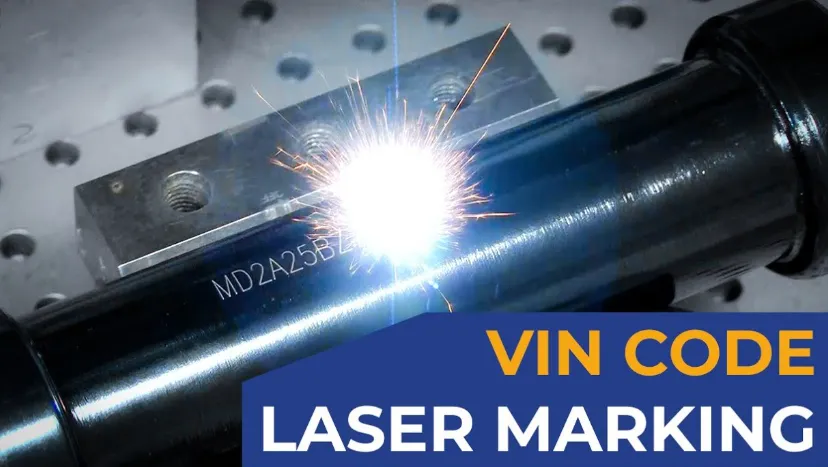
Permanent laser marking for UDI, GS1 DataMatrix, serial numbers and traceability codes on suitable medical devices, surgical instruments and components.
The right laser depends on the device material, available marking area, required code size, surface geometry and validation requirements. We recommend testing the actual device before finalizing the machine configuration.
Fiber / MOPA / UV laser options • GS1 DataMatrix • Serial Number • Direct Part Marking
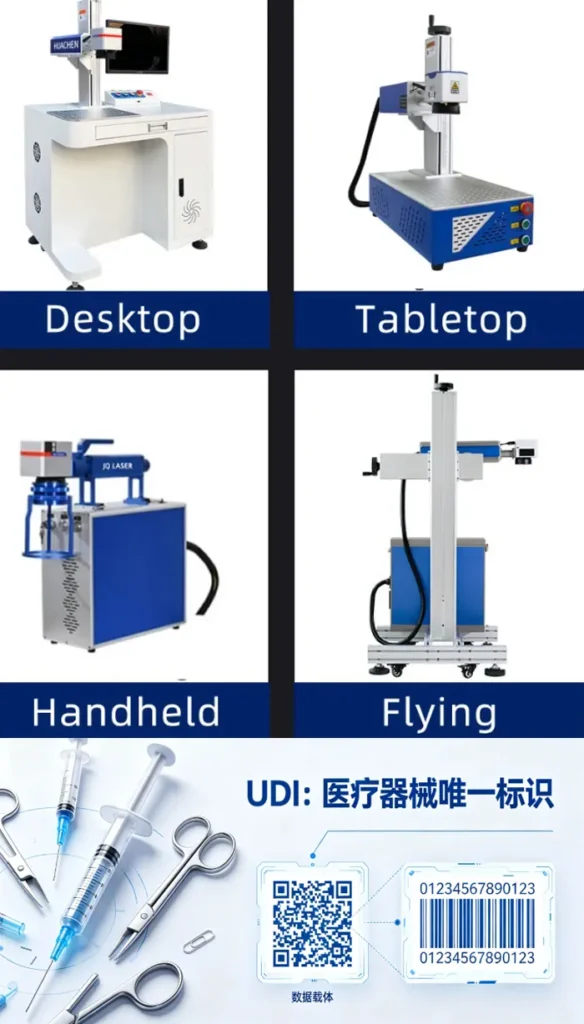
What Is UDI Laser Marking?
UDI stands for Unique Device Identification. For medical devices, UDI is used to identify devices through the supply chain and support traceability.
A UDI marking may contain information such as a device identifier and production identifiers. Depending on the applicable system, these may include a GTIN, serial number, lot/batch number or expiration date.
In healthcare applications, GS1 DataMatrix is widely used as a compact 2D data carrier. GS1 explains that DataMatrix can encode GTIN, batch/lot number, expiration date and serial number where applicable.
Important: A laser marking machine does not by itself make a medical device UDI-compliant. The device manufacturer remains responsible for determining the applicable regulatory, identification, validation and marking requirements.
What Information Can Be Marked for UDI?
The exact data structure depends on the applicable UDI system, device and regulatory requirements.
Global Trade Item Number used for product identification in the GS1 system.
Serial number for identifying individual devices where applicable.
Batch or lot information for production traceability where required.
Expiration or date-related production information where applicable.
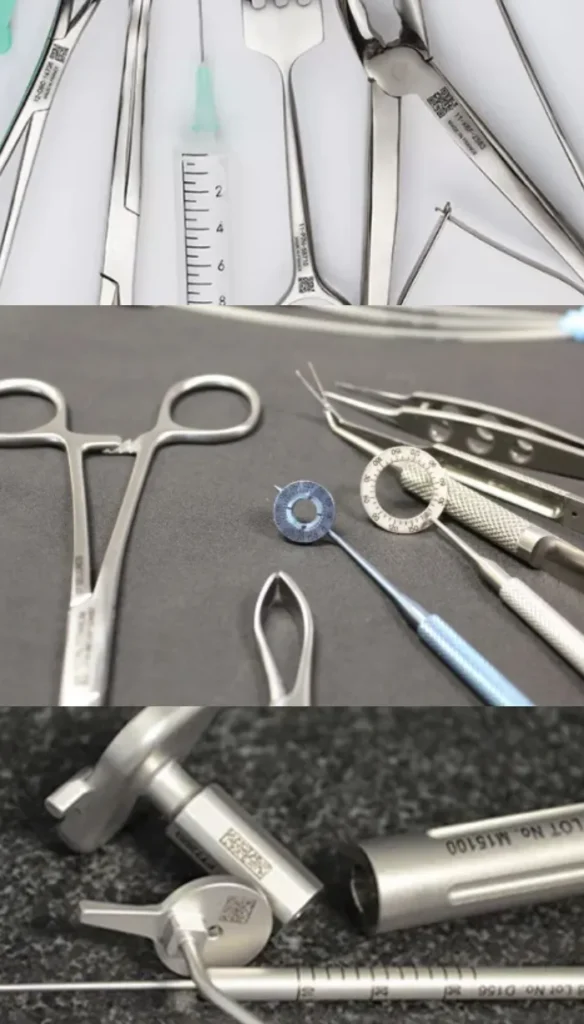
Why GS1 DataMatrix Is Important for Medical Device Marking
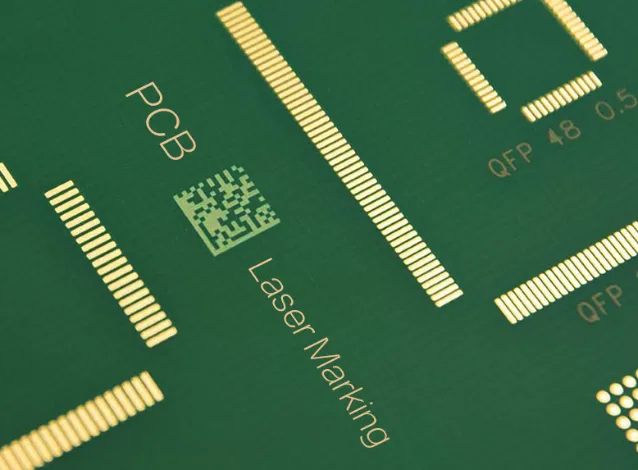
Medical devices often have very limited marking space. A GS1 DataMatrix can store multiple pieces of identification information in a relatively compact symbol.
For direct part marking, the challenge is not simply generating a DataMatrix. The code needs to be produced at an appropriate size, contrast and quality for reliable reading on the actual device surface.
Need automatic code generation and inspection? See Automatic Laser Marking Machine →GS1 DataMatrix
Compact 2D identification carrier for healthcare applications.
For UDI, Code Size Matters More Than Laser Wattage Alone
When marking a small medical device, the laser configuration must be selected around the required symbol size and readability.
| Parameter | Why It Matters | What We Recommend |
|---|---|---|
| X-Dimension | Determines the module size of the DataMatrix. | Confirm the required code size before choosing the lens. |
| Marking Area | Determines whether the code and human-readable text fit. | Choose the lens according to the actual device. |
| Contrast | A readable code needs sufficient contrast for verification. | Test the actual material and finish. |
| Surface Geometry | Curvature can affect focus and code readability. | Consider rotary or 3D marking where appropriate. |
GS1 documentation provides specific X-dimension guidance for directly marked medical devices. For small medical and surgical instruments, the appropriate symbol size depends on the available marking area and encoded data. The actual marking process should therefore be verified on the intended device.
Which Laser Is Better for UDI Marking?
There is no single laser source that is best for every medical device. Material and required marking effect should drive the selection.
| Laser | Typical Medical Applications | Why Consider It | Main Question Before Buying |
|---|---|---|---|
| Fiber | Stainless steel, titanium, aluminum and suitable metals | Permanent marking and good productivity on metals | Can it achieve the required code contrast and grade? |
| MOPA Fiber | Fine metal marking and applications needing more pulse control | More flexible pulse parameter control | Is the additional pulse flexibility useful for your material? |
| UV | Suitable plastics and heat-sensitive materials | Lower thermal effect on suitable materials | Does the actual plastic respond better to UV? |
UDI Laser Marking Applications
Common applications where permanent identification and traceability are important.
Reusable Surgical Instruments
Forceps, scissors, clamps and other reusable instruments that may require direct permanent marking.
Surgical Instrument Marking →Medical Devices
Device identification, serial numbers, DataMatrix and product traceability on suitable metal components.
Medical Device Marking →Medical Plastics
Identification marking on suitable medical-grade plastics and heat-sensitive components.
Medical Plastic Marking →Implant Components
Permanent identification on suitable titanium and other compatible materials, subject to device requirements.
Medical Components
Part numbers, serial numbers, batch information and other production identification.
DataMatrix Traceability
Compact codes for identification and traceability where the required standards and device design call for them.
UDI Laser Marking Machine Buying Information
For medical applications, the marking result is usually more important than simply choosing the highest laser power.
| Buying Item | Typical Configuration / Information | Confirm Before Order |
|---|---|---|
| Laser Power | 20W / 30W / 50W fiber or MOPA; UV for suitable plastics | Actual material + required code size + cycle time |
| Marking Area | Common fields such as 110×110, 150×150 or 175×175 mm | Required UDI size and available device area |
| Code Type | GS1 DataMatrix / serial number / text | Data structure and applicable standard |
| Sample Testing | Recommended before final machine selection | Actual device or same material/finish |
| Vision Verification | Optional camera/code verification | Required grade / inspection process |
| Automation | Fixture / conveyor / rotary / PLC integration | Production cycle and line interface |
What Should Be Included in a UDI Laser Marking System?
Do not compare medical laser marking quotations by laser power alone.
Laser Source
Brand, model, wavelength and rated output power should be clearly specified in the quotation.
Scanning System
Galvo scanner and lens should match the required UDI code size and marking area.
Marking Software
Confirm DataMatrix generation, variable data and serial-number workflow.
Fixture
Medical parts often require repeatable positioning for consistent code placement.
Vision Verification
Optional camera inspection can verify code position and readability after marking.
Traceability Integration
For production lines, discuss PLC, database, MES or variable-data interfaces before ordering.
How We Recommend Buying a UDI Laser Marking Machine
Send Your Device
Send the actual device, material information and marking area.
Sample Test
Test the DataMatrix, text and marking effect on the actual part.
Confirm Configuration
Choose laser type, power, lens, fixture and optional vision system.
Production Validation
Confirm production requirements and applicable verification before final deployment.
Related Medical Laser Marking Solutions
Compare related technologies, materials and medical applications before choosing your final configuration.
Medical Device Laser Marking
General laser marking solutions for medical devices and components.
View Medical Device Marking →Surgical Instrument Laser Marking
Permanent identification for suitable stainless-steel surgical instruments.
View Surgical Instrument Marking →Medical Plastic Laser Marking
Compare UV and other laser options for suitable medical plastics.
View Medical Plastic Marking →Fiber Laser Marking Machine
A common starting point for permanent marking on metal medical components.
View Fiber Laser →MOPA Fiber Laser Marking Machine
Consider MOPA when pulse-parameter flexibility is important.
View MOPA Laser →Automatic Laser Marking Machine
For fixtures, production lines, variable data and automated marking.
View Automatic Laser Marking →For stainless-steel instruments, also see our Fiber Laser Marking Machine for Stainless Steel .For applications involving small or heat-sensitive plastic components, compare our UV Laser Marking Machine .
UDI Laser Marking FAQ
What is a UDI laser marking machine?
It is a laser marking system configured to permanently mark identification information such as DataMatrix codes, serial numbers and other device information on suitable medical devices.
Which laser is best for UDI marking?
There is no single laser that is best for every medical device. Fiber and MOPA fiber are common options for suitable metals, while UV can be considered for suitable plastics and other materials where lower thermal effects are important. Sample testing should determine the final configuration.
Can a fiber laser mark GS1 DataMatrix?
Yes. Laser etching is one of the direct marking technologies identified by GS1 for suitable materials. The actual laser, lens and process parameters should be selected according to the required symbol size and material.
What size should a medical DataMatrix be?
The required X-dimension depends on the applicable GS1 specification, encoded data, marking area and device. For medical direct part marking, GS1 provides specific X-dimension guidance. The final symbol should be validated on the actual device.
Does a laser marking machine make a medical device UDI compliant?
No. The laser is only the marking technology. UDI compliance depends on the applicable regulatory requirements, device, identification system, marking process and validation. The medical device manufacturer remains responsible for compliance.
Can you test our medical device before purchase?
Yes. We recommend testing the actual device or a representative sample before finalizing the laser source, power, lens and marking parameters.
UDI Technical References
This page uses publicly available information from regulatory and standards organizations for general technical context. Regulatory requirements may change by market and device type.
- U.S. FDA — Unique Device Identification System
- U.S. FDA — Unique Device Identification: Direct Marking of Devices
- GS1 — 2D Barcodes in Healthcare
- GS1 — GS1 DataMatrix Guideline
The information on this page is for technical and purchasing reference only and does not constitute regulatory or legal advice.
Need to Mark a UDI or GS1 DataMatrix on Your Device?
Send us your medical device, material information and required code size. We can evaluate the marking method and recommend a suitable fiber, MOPA or UV configuration based on the actual sample.
Send: material + device dimensions + marking area + DataMatrix size + required production volume.