Automotive Parts Manufacturer – USA
Fiber Laser Marking Solution For Permanent Automotive Component Traceability
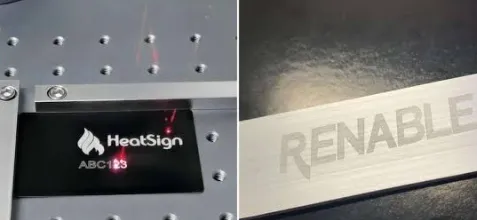
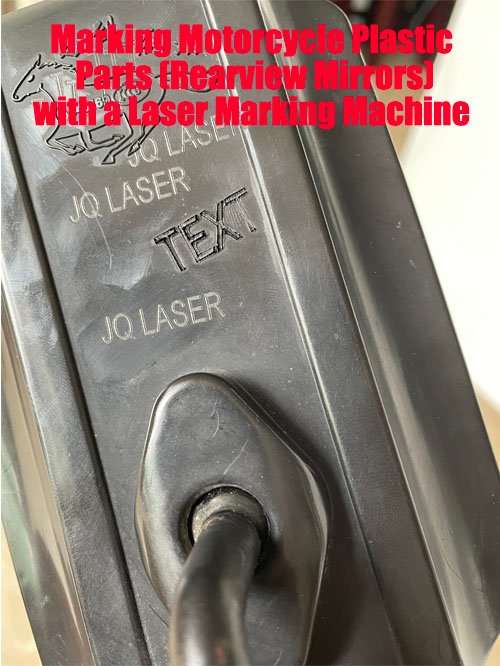
A leading automotive parts manufacturer in the United States improved product identification, production traceability and manufacturing efficiency by implementing a high-performance fiber laser marking system for metal components.
Table of Contents
Case Overview
Project Summary
This case study presents how a US automotive component manufacturer replaced traditional labeling methods with a permanent fiber laser marking solution to achieve reliable part identification in a demanding industrial environment.
| Project Information | Details |
|---|---|
| Industry | Automotive Parts Manufacturing |
| Location | United States |
| Application | Automotive Metal Component Marking |
| Laser Technology | Fiber Laser Marking |
| Materials | Stainless Steel, Aluminum, Steel Alloy |
| Marking Content | QR Code, Serial Number, Logo, Batch Number |
| Production Type | Mass Production Manufacturing |
Customer Background
Precision Automotive Manufacturing Requirements
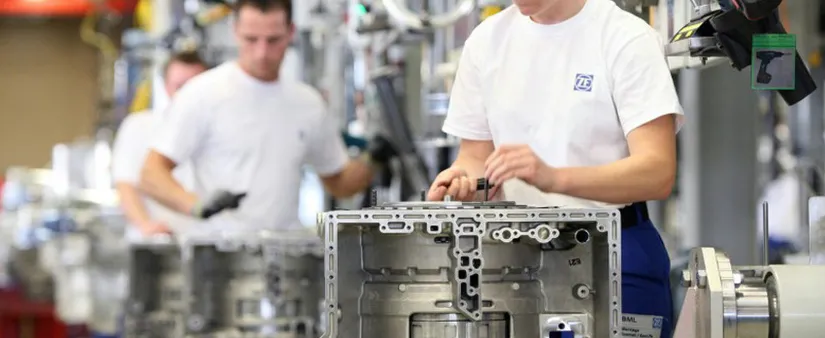
The customer is an automotive parts manufacturer located in the United States, specializing in the production of precision metal components supplied to automotive manufacturers and industrial equipment companies.
With increasing requirements from modern automotive supply chains, every component must provide complete traceability information, including:- Manufacturing date
- Production batch
- Supplier information
- Quality inspection records
- Product identification codes
| Industrial Environment | Challenge |
|---|---|
| High Temperature | Labels may become damaged |
| Oil And Chemicals | Ink printing may fade |
| Mechanical Friction | Surface labels may peel off |
| Long-Term Operation | Permanent identification required |
Manufacturing Challenge
Why The Customer Needed A Laser Marking Upgrade
Before adopting fiber laser technology, the customer mainly used traditional marking methods.
Although these methods were acceptable for basic identification, they created several production problems.
Previous Marking Method Problems
| Problem | Impact On Production |
|---|---|
| Sticker Labels | Could detach during transportation or operation |
| Ink Printing | Poor resistance against oil and chemicals |
| Manual Identification | Low efficiency and possible human errors |
| Limited Traceability | Difficult to manage production history |
Customer Requirements Analysis
Before recommending equipment, our engineering team evaluated:| Evaluation Item | Engineering Consideration |
|---|---|
| Material Type | Metal surface characteristics and reflectivity |
| Marking Depth | Need for permanent industrial identification |
| Production Speed | Ability to support mass production |
| Code Quality | QR code readability after processing |
| Future Expansion | Possibility of automation integration |
Engineering Evaluation Process
Material Testing
Laser Parameter Optimization
Sample Verification
Production Application
Quality Validation
Why Fiber Laser Was Recommended
Professional Laser Selection Analysis
For this automotive application, fiber laser technology was selected because the customer’s main materials were metal components requiring:- Permanent marking
- High-speed processing
- Excellent contrast
- Long-term durability
- Low maintenance operation
| Laser Type | Suitable Materials | Application Result |
|---|---|---|
| Fiber Laser | Steel, Stainless Steel, Aluminum | ★★★★★ Excellent |
| UV Laser | Plastic, Glass, Electronics | ★★★ Limited |
| CO2 Laser | Wood, Acrylic, Leather | ★ Not Suitable |
Customized Fiber Laser Marking Solution
After analyzing the customer’s production requirements, material characteristics and marking objectives, our engineering team recommended a 50W Fiber Laser Marking Machine designed specifically for automotive metal component identification.
The solution was optimized for:
- Stainless steel components
- Aluminum automotive parts
- Steel alloy products
- QR code traceability
- Serial number identification
- High-volume production environments
Engineering Recommendation
A 50W fiber laser marking system was selected because it provides the right balance between marking speed, engraving depth, stability and long-term production reliability for automotive manufacturing applications.
Why Choose A 50W Fiber Laser Instead Of Lower Power Systems?
Many customers believe that a higher-power laser always means better performance. However, industrial laser selection depends on the actual application requirements.
For automotive parts, the main considerations are:
Future automation requirements
Production speed
Material hardness
Required marking depth
Daily workload
Fiber Laser Power Comparison For Automotive Applications
| Laser Power | Suitable Application | Advantages | Limitations |
|---|---|---|---|
| 20W Fiber Laser | Light marking, small batches | Lower investment cost | Slower for mass production |
| 30W Fiber Laser | General industrial marking | Good balance | Limited engraving speed |
| 50W Fiber Laser | Automotive mass production | High speed and deeper marking | Higher initial investment |
| 100W Fiber Laser | Heavy industrial engraving | Maximum processing capability | Usually unnecessary for identification marking |
Recommended Equipment Configuration
50W Fiber Laser Marking Machine Specifications
| Parameter | Specification |
|---|---|
| Laser Type | Fiber Laser |
| Laser Power | 50W |
| Laser Wavelength | 1064nm |
| Marking Speed | Up to 7000mm/s |
| Marking Area | 175×175mm |
| Cooling Method | Air Cooling |
| Expected Laser Lifetime | 80,000+ Hours |
| Supported Materials | Steel, Stainless Steel, Aluminum, Brass, Titanium |
Laser Marking Application Process
Step 1: Material Testing
Before production implementation, sample testing was performed on customer materials.
Testing focused on:
- Laser power
- Marking speed
- Frequency
- Hatch spacing
- Mark contrast
- Surface quality
Laser Parameter Optimization
| Parameter | Purpose |
|---|---|
| Laser Power | Controls marking depth and intensity |
| Scanning Speed | Balances efficiency and marking quality |
| Frequency | Improves surface finish |
| Line Distance | Controls marking density |
| Focus Position | Ensures maximum laser energy concentration |
Step 2: QR Code Traceability Testing
Modern automotive manufacturers increasingly require QR codes for digital traceability.
The laser marking system was tested for:
- QR code clarity
- Scanner recognition
- Long-term durability
- Surface resistance
QR Code Marking Performance Comparison
| Item | Traditional Label | Fiber Laser Marking |
|---|---|---|
| Durability | Limited | Permanent |
| Oil Resistance | Poor | Excellent |
| Heat Resistance | Limited | Excellent |
| Scanning Reliability | Decreases over time | Stable long-term |
| Maintenance Cost | Continuous replacement | Almost zero consumables |
Step 3: Production Integration
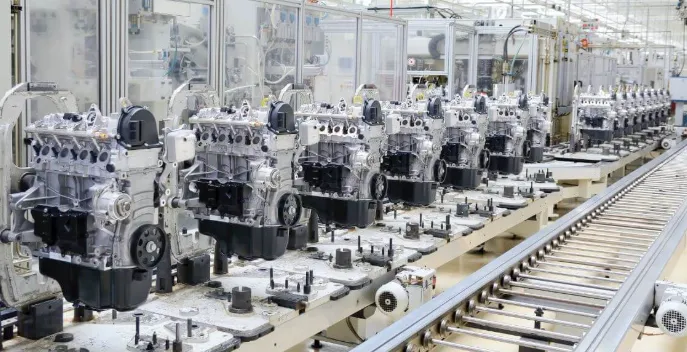
After sample approval, the fiber laser marking system was integrated into the customer’s production workflow.Metal Component Loading
Automatic Positioning
Laser QR Code & Serial Number Marking
Quality Inspection
Database Traceability
Marking Results
High-Quality Permanent Identification
The final marking results achieved:
- Clear characters
- Stable QR code recognition
- Consistent marking depth
- Excellent contrast
- Permanent durability
Before And After Comparison
| Production Item | Before Upgrade | After Fiber Laser Implementation |
|---|---|---|
| Identification Method | Labels / Ink Printing | Permanent Laser Marking |
| Durability | Easy to damage | Lifetime identification |
| Production Efficiency | Manual operation | Fast automated processing |
| Traceability | Limited information | Complete digital tracking |
| Operating Cost | Consumables required | No consumables |
Customer Production Improvement Results
After implementing the fiber laser marking solution, the customer achieved significant improvements:| Improvement Area | Result |
|---|---|
| Marking Quality | Consistent and permanent identification |
| Production Efficiency | Reduced manual marking operations |
| Quality Control | Improved product tracking accuracy |
| Maintenance | Reduced consumable replacement |
| Customer Compliance | Better automotive supply chain traceability |
Industrial Engineering Analysis
Why Fiber Laser Is The Preferred Choice For Automotive Parts
From an engineering perspective, automotive components require marking systems that can survive harsh environments.
During vehicle operation, components may experience:
- Temperature changes
- Mechanical vibration
- Oil contamination
- Chemical exposure
- Long-term outdoor conditions
| Requirement | Fiber Laser Performance |
|---|---|
| Permanent Identification | ★★★★★ |
| Chemical Resistance | ★★★★★ |
| Production Speed | ★★★★★ |
| Maintenance Requirement | ★★★★★ |
| Automation Compatibility | ★★★★★ |
Expert Insight
In automotive manufacturing, laser marking is not simply a surface engraving process.
It is part of a complete manufacturing traceability system.
A professional solution should consider:
- Product lifecycle requirements
- Supplier compliance standards
- Production line efficiency
- Future automation upgrades
- Data management requirements
For this reason, selecting the correct laser system requires engineering evaluation rather than simply comparing machine prices.
Customer Benefits & Business Value
Measurable Improvements After Fiber Laser Implementation
100%
Permanent Identification
0
Consumable Materials Required
24/7
Industrial Production Capability
High
QR Code Traceability Reliability
Production Efficiency Improvement
From Traditional Identification To Smart Manufacturing Traceability
Before adopting fiber laser marking technology, the customer relied on:
- Printed labels
- Manual identification
- External marking suppliers
These methods created additional management costs and increased the risk of missing or damaged identification information.
After implementing the fiber laser marking system:| Category | Before | After |
|---|---|---|
| Marking Method | Sticker / Ink Printing | Direct Laser Marking |
| Product Tracking | Manual Records | Digital Traceability |
| Production Flow | Additional Processing Steps | Integrated Manufacturing Process |
| Quality Control | Manual Inspection | Standardized Identification |
❌ Ink consumption
❌ Label replacement
❌ Additional labor cost
❌ Limited durability
❌ Environmental waste
Fiber Laser Marking Method
✅ No consumables
✅ Permanent marking
✅ Low maintenance
✅ Automated production integration
✅ Long service lifetime
Long-Term Operating Cost Comparison
| Cost Factor | Traditional Labeling | Fiber Laser Marking |
|---|---|---|
| Consumables | Continuous purchase required | None |
| Maintenance | Frequent replacement | Low maintenance |
| Product Lifetime | Limited durability | Permanent identification |
| Environmental Impact | Higher waste | Cleaner production |
Quality And Traceability Improvement
Supporting Modern Automotive Supply Chains
The automotive industry increasingly requires suppliers to provide complete product history.
Laser-marked information allows manufacturers to track:Production Data
Serial numbers and manufacturing information can be permanently attached to each component.
Quality Control
Defective products can be quickly identified through QR code traceability.
Supplier Management
Improves communication between manufacturers and automotive supply chains.
Application Materials
Automotive Components Processed By Fiber Laser
| Material | Typical Components | Laser Result |
|---|---|---|
| Stainless Steel | Engine Components, Brackets | Deep Permanent Marking |
| Aluminum | Housing Parts, Frames | High Contrast Marking |
| Carbon Steel | Mechanical Parts | Durable Engraving |
| Titanium Alloy | High Performance Components | Precision Identification |
Why Automotive Manufacturers Choose Fiber Laser Marking
01. Permanent Durability
Laser marking creates a physical modification on the material surface, allowing identification to remain readable throughout the product lifecycle.
02. High-Speed Production
Modern fiber lasers can process thousands of components per day, making them suitable for automotive mass production.
03. Excellent Material Compatibility
Fiber lasers provide outstanding performance on stainless steel, aluminum, brass and other industrial metals.
04. Low Operating Cost
No ink, no labels and minimal maintenance requirements significantly reduce long-term costs.
05. Automation Ready
Fiber laser systems can integrate with robotic arms, conveyor systems and factory databases.
Engineering Experience From This Project
Important Considerations For Automotive Laser Marking
Based on this project experience, selecting an automotive laser marking system requires more than choosing laser power.
Professional evaluation should include:
| Evaluation | Reason |
|---|---|
| Material Testing | Different metals require different parameters. |
| Marking Depth | Determines laser power selection. |
| Production Speed | Affects equipment configuration. |
| Future Automation | Ensures scalability. |
| Traceability System | Supports Industry 4.0 manufacturing. |
Customer Case Summary
Project Results
- Successfully replaced traditional labeling with permanent laser identification.
- Improved automotive component traceability.
- Reduced dependence on consumable materials.
- Enhanced production reliability.
- Created a foundation for future automation upgrades.
Frequently Asked Questions About Automotive Laser Marking
Why do automotive manufacturers use fiber laser marking machines?
Automotive manufacturers use fiber laser marking machines because they provide permanent identification, high-speed processing and excellent resistance against heat, oil and chemicals. Fiber lasers are ideal for marking metal automotive components such as stainless steel, aluminum and steel alloy parts.
What automotive parts can be marked by fiber laser?
Fiber laser marking machines can process a wide range of automotive components, including engine parts, brackets, gears, metal housings, nameplates, fasteners and precision mechanical components.
Why is laser marking better than stickers for automotive parts?
Unlike stickers or ink printing, laser marking creates permanent marks directly on the material surface. The identification remains readable even under harsh automotive environments including high temperature, vibration, oil exposure and chemical contact.
Can fiber laser mark QR codes on automotive components?
Yes. Fiber laser marking systems are widely used for QR codes, Data Matrix codes, serial numbers and production tracking information in automotive manufacturing.
What laser power is suitable for automotive parts marking?
The recommended laser power depends on production requirements. 20W-30W systems are suitable for general marking, while 50W fiber lasers are commonly selected for automotive mass production because of their higher speed and deeper marking capability.
Can fiber laser marking machines be integrated into production lines?
Yes. Industrial fiber laser marking systems can be integrated with conveyors, robotic arms, vision systems and factory databases for automated manufacturing processes.
How long does a fiber laser marking machine last?
Industrial fiber laser sources typically provide more than 80,000 hours of operating lifetime when properly maintained, making them suitable for long-term manufacturing applications.
Does laser marking require consumables?
No. Fiber laser marking does not require ink, labels or chemical materials, which helps reduce operating costs and maintenance requirements.