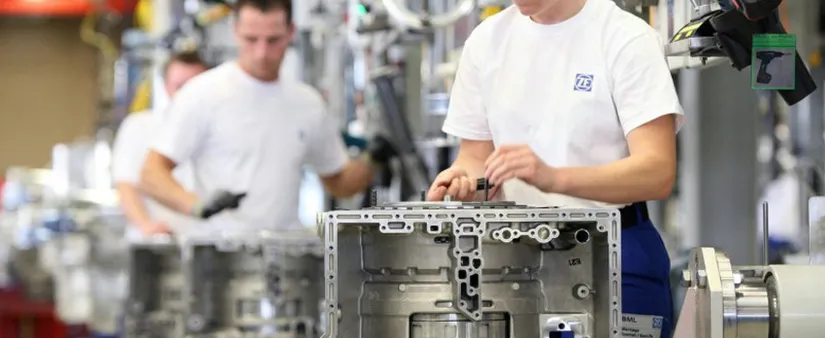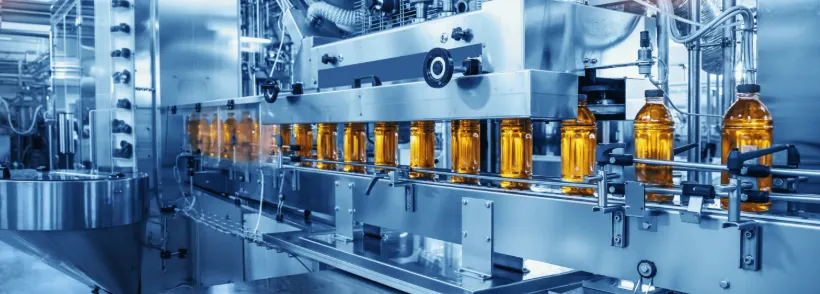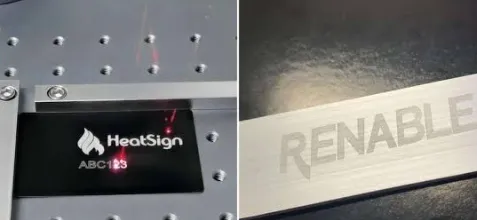
A machinery manufacturer in Ho Chi Minh City, Vietnam, selected the JQ-50W 50W fiber laser marking machine for permanent identification marking on industrial equipment nameplates and mechanical workpieces.
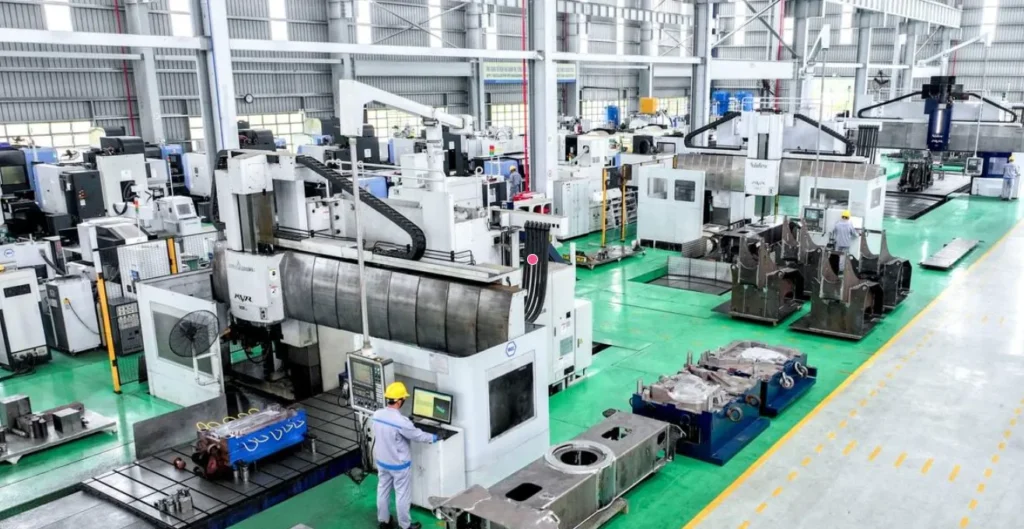
The machine is used to mark product identification information, identification numbers and serial numbers. The application helps the manufacturer maintain clear product identification across equipment and individual components.
Table of Contents
1. Project Overview
| Project Information | Details |
|---|---|
| Customer Location | Ho Chi Minh City, Vietnam |
| Customer Industry | Machinery Manufacturing |
| Equipment Model | JQ-50W |
| Laser Type | 50W Fiber Laser Marking Machine |
| Main Application | Industrial equipment and mechanical workpiece marking |
| Marking Content | Product identification, identification numbers and serial numbers |
The customer needed a practical marking solution for identifying machinery products and their components. Instead of relying on temporary labels or conventional printing methods, the manufacturer chose fiber laser marking to create permanent identification directly on suitable metal surfaces.
The JQ-50W provides a dedicated solution for this type of industrial marking application.
2. Customer Background: Identification Is Important in Machinery Manufacturing
In machinery manufacturing, identification information is more than just text printed on a product.
Equipment nameplates and component markings help manufacturers, distributors and maintenance teams distinguish between different products and parts.
Depending on the product and the manufacturer’s requirements, identification information may include:
- Equipment model and product number
- Individual serial numbers
- Manufacturer identification
- Component identification numbers
- Production or batch information
- Technical specifications and other product details
For this Vietnamese manufacturer, the main requirement was to mark identification information and numbers on equipment nameplates and mechanical workpieces.
The marking needed to be clear enough to read and consistent enough for repeated manufacturing work.
3. Why the Customer Chose a 50W Fiber Laser Marking Machine
Fiber laser marking is widely used for permanent identification on suitable metal materials.
Compared with conventional ink printing or adhesive labels, laser marking creates the mark through controlled laser interaction with the material surface. It does not require printing ink or an adhesive label for the marking process.
For machinery manufacturers, this offers several practical advantages.
Permanent Identification
Laser marking can produce durable identification marks on suitable metal surfaces. The mark is not simply an applied label that can peel away during normal handling.
The actual durability depends on the material, surface treatment, marking method and working environment.
Clear Numbers and Text
Serial numbers and identification information often contain small characters and closely spaced text.
A properly configured fiber laser marking system can reproduce these details with good consistency. The final readability should be checked on the customer’s actual workpieces.
Repeatable Marking
Once the marking layout and process parameters have been confirmed, the same marking file can be reused for repeated production jobs.
This helps reduce differences caused by manual handwriting or inconsistent label placement.
Non-Contact Processing
The laser marks the workpiece without a cutting tool physically contacting the surface.
This is useful for nameplates and many metal components where conventional mechanical marking may require additional fixtures or tooling.
Flexible Marking Content
The marking layout can be changed according to the product model and identification requirements.
Depending on the software configuration and data workflow, the system can be used for text, numbers, logos and other supported marking graphics.
4. JQ-50W: 50W Fiber Laser Marking Solution
The equipment selected for this project is the JQ-50W 50W fiber laser marking machine.
A 50W fiber laser provides processing capacity for a range of industrial metal marking applications, including equipment identification plates and mechanical components.
The key point is that laser power alone does not determine the final marking result. Material type, surface finish, marking size, character density, required contrast and process parameters all influence the outcome.
For this reason, the marking process should be evaluated using the actual nameplates and workpieces rather than relying only on catalogue specifications.
Main Application Areas
Industrial Equipment Nameplates
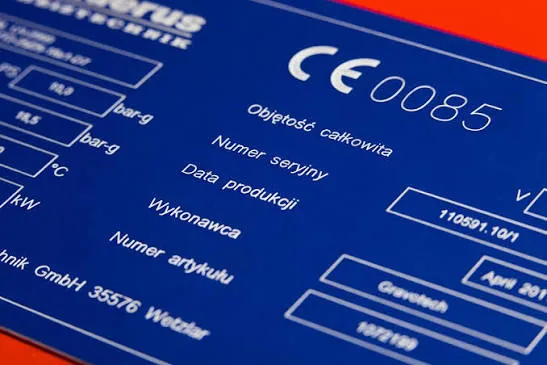
Nameplates can carry equipment identification information, model details and serial numbers. Laser marking is suitable for creating permanent text and graphics on compatible metal plates.
Mechanical Workpieces
Individual mechanical components can be marked with identification numbers or other information required by the manufacturer’s production and management process.
Serial Number Marking
Serial numbers help distinguish individual products and components. The marking software can be configured for sequential numbering when the required numbering workflow is supported.
Product Identification
Manufacturers can use laser-marked identification information to make products and parts easier to recognize during storage, assembly, delivery and maintenance.
5. What Should Be Considered When Marking Machinery Nameplates and Components?
A good laser marking result requires more than selecting a 50W machine. Several process details should be considered.
Material Compatibility
Different metals respond differently to fiber laser marking.
Stainless steel, carbon steel, aluminum and coated metal plates may require different parameter settings to achieve the desired appearance.
For example, a high-contrast surface mark and a deeper engraved mark are not necessarily produced using the same process.
The exact material and surface treatment should be confirmed before finalizing the parameters.
Marking Content and Character Size
A nameplate containing a short model number is a different job from one containing multiple lines of specifications and a long serial number.
The marking layout should be designed around the available plate area, character height, line spacing and required readability.
Focus and Positioning
Correct focusing is important for consistent marking quality.
The workpiece should be positioned at the appropriate focal distance, and the marking area should be checked before starting a production batch.
For small nameplates, a suitable positioning fixture can also help reduce variation between marking jobs.
Parameter Testing
The main parameters to evaluate include:
- Laser power
- Marking speed
- Frequency
- Pulse width, if supported by the installed laser source
- Hatch spacing
- Number of passes
- Focusing position
These parameters should be tested on the actual material. Increasing laser power does not automatically improve contrast or marking quality.
6. How Laser Marking Supports Product Identification and Traceability
For machinery manufacturers, marking identification information directly onto products and components can support several stages of the manufacturing process.
Production: Operators can identify parts during manufacturing and processing.
Assembly: Marked identification numbers can help distinguish components during assembly.
Quality Inspection: Identification information can be used when recording inspection results or checking product details.
After-Sales Service: Equipment identification and serial numbers can help service teams identify the relevant product during maintenance or replacement-part inquiries.
It is important to distinguish between permanent marking and a complete traceability system.
A laser marking machine creates the physical identification mark. If a manufacturer needs to connect each serial number with production records, inspection data or service history, it also needs an appropriate numbering and data-management process.
7. Why Choose JQ Laser?
JQ Laser focuses on laser marking equipment for industrial manufacturing applications.
For customers working with machinery, metal components and product identification, selecting a machine should begin with the actual application rather than simply comparing laser power.
Our support can include:
- Reviewing the material and marking requirements
- Recommending suitable laser marking equipment
- Evaluating marking content and layout
- Conducting sample marking tests
- Adjusting process parameters
- Providing equipment operation guidance and technical support
For customers who need to mark different metal components, we recommend testing representative workpieces before confirming the final process.
8. Conclusion
This project in Ho Chi Minh City demonstrates an industrial application of the JQ-50W 50W fiber laser marking machine.
The Vietnamese machinery manufacturer uses the equipment to mark identification information and numbers on industrial equipment nameplates and mechanical workpieces.
For manufacturers that need permanent product identification, clear serial numbers and repeatable marking on suitable metal surfaces, a 50W fiber laser marking machine can be a practical option.
The right configuration should always be determined by the actual material, marking content, required appearance and production conditions.
Looking for a 50W Fiber Laser Marking Machine?
If you manufacture industrial equipment, metal components or machinery parts and need to mark product numbers, serial numbers or identification information, JQ Laser can help evaluate your application.
Send us your workpiece photos, material details, marking content and required marking size. We can review the application and recommend a suitable laser marking solution.
JQ Laser – Jining Junqi Intelligent Technology Co., Ltd.
Website: https://fiberlasermarking.com/
Email: sales@fiberlasermarking.com
Explore 50W Fiber Laser Marking Machines
View More JQ Laser Customer Cases
Author: LEO, Sales Engineer at JQ Laser
Technical Review: JQ Laser Application Engineering Team
Frequently Asked Questions
1. What laser marking machine did the Vietnamese machinery manufacturer use?
The customer used the JQ-50W 50W fiber laser marking machine for industrial equipment nameplates and mechanical workpieces.
2. What can a 50W fiber laser marking machine mark?
A 50W fiber laser marking machine can be used for marking suitable metal materials, including many steel and aluminum components. The actual result depends on the material and surface condition.
3. Can a fiber laser mark serial numbers?
Yes. Fiber laser marking software can create text and serial-number layouts. Sequential numbering can also be configured when supported by the software and data workflow.
4. Can a 50W fiber laser mark equipment nameplates?
Yes. It is commonly used for marking product identification, model information and serial numbers on compatible metal nameplates.
5. Can the same machine mark different mechanical components?
Yes, provided the materials, workpiece dimensions and marking requirements are within the machine’s working range. Different materials and surface finishes may require separate parameter settings.
6. Does 50W mean the marking process will always be faster?
No. Actual processing time depends on marking content, material, required contrast or depth, lens configuration, parameters and workpiece positioning. A sample test is the best way to evaluate cycle time.
7. Can the laser marking machine mark QR codes and barcodes?
Fiber laser marking systems can mark QR codes and supported barcode formats. Code size, contrast and readability should be verified using the actual material and scanning equipment.
8. How can I choose the right fiber laser marking machine for my factory?
Start with the material, workpiece dimensions, marking content, required mark appearance and daily production volume. These details help determine the appropriate laser power, lens and machine configuration.